
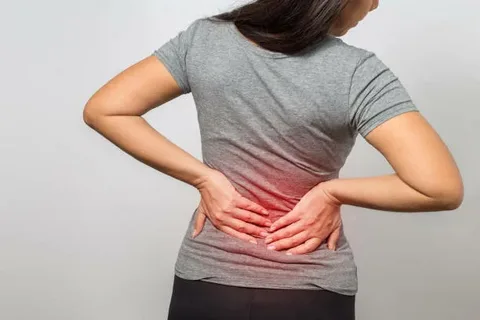
Lower back pain can affect women at different stages of life, from young adulthood through older age. Hormonal changes, pregnancy, poor posture, muscle strain, spinal conditions, and pelvic problems can all play a role. For some women, the pain is mild and temporary. For others, it can interfere with sleep, movement, work, and daily activities. Lower back pain in women should not always be treated as a simple muscle problem, particularly when it keeps returning or becomes severe.
Nighttime pain can also be concerning. Back pain in women may become more noticeable after a long day because the muscles and joints have been under repeated stress. However, pain that consistently worsens while resting, starts suddenly, follows an injury, or occurs with weakness, numbness, fever, abdominal symptoms, or bladder changes needs medical attention.
What Causes Lower Back Pain in Women?
Lower back pain can come from the muscles, joints, discs, nerves, or other structures around the spine. Common causes include muscle strain, poor posture, prolonged sitting, arthritis, disc problems, and irritation of spinal nerves. Some women may also experience pain linked to pregnancy, menstrual changes, or pelvic conditions.
The exact cause is not always obvious from the location of the pain alone. A medical evaluation can help identify whether the problem is mainly muscular, related to the spine, or connected to another condition. Doctors usually consider the pain pattern, medical history, physical findings, and any warning signs before deciding if imaging or other testing is needed.
Why Can Back Pain Get Worse at Night?
Some women notice that their pain becomes stronger when they lie down or try to sleep. Back pain in females at night can have several possible explanations, including the position used during sleep, pressure on sensitive joints, muscle tension, or an underlying spinal condition. A mattress or sleeping position may also make symptoms more noticeable.
Persistent nighttime pain deserves more attention when it is new, worsening, or present even when the person is resting. Mayo Clinic recommends medical evaluation for back pain that worsens during rest or at night. A doctor can look for signs of nerve irritation, spinal problems, inflammation, injury, or other causes that may require specific treatment.
How Do Women Know When Back Pain is Serious?
Most episodes of lower back pain are not caused by a dangerous condition. Still, certain symptoms can indicate that medical assessment should not be delayed. Severe pain after an injury, new weakness, numbness, bowel or bladder changes, fever, unexplained weight loss, or abdominal symptoms can require prompt evaluation.
Age can also change the level of concern. Severe back pain in elderly woman should be assessed carefully, particularly after a fall or other injury. Older adults may have a higher risk of fractures and other spinal conditions, and pain that starts for the first time later in life deserves medical attention.
What Can Cause Sudden Severe Back Pain in Older Women?
Sudden pain in an older woman can have several causes. A muscle strain can occur after lifting, twisting, or an unusual movement, but sudden severe symptoms can also occur with a spinal fracture, nerve problem, or another medical condition. Osteoporosis can increase the risk of vertebral fractures, sometimes after relatively minor trauma.
Sudden severe back pain elderly patients experience should not automatically be managed at home without assessment. A doctor may review the circumstances surrounding the pain, perform a neurological examination, and order imaging when the symptoms or medical history suggest a structural problem. The treatment depends on the underlying cause and the patient’s overall health.
How is Lower Back Pain Diagnosed?
Diagnosis begins with a detailed discussion about the pain. A doctor may ask when it started, what makes it better or worse, whether it travels into the legs, and whether symptoms such as numbness or weakness are present. Previous injuries, surgeries, medical conditions, medications, and activity levels may also be relevant.
A physical examination can help assess movement, muscle strength, sensation, reflexes, and signs of nerve involvement. Imaging is not required for every case of back pain. Depending on the symptoms, a physician may recommend an X-ray, MRI, CT scan, or other testing when there is concern about a specific underlying problem.
What Treatments Can Help Lower Back Pain?
Treatment depends on the cause, severity, duration, and overall health of the patient. Many people benefit from conservative approaches such as staying appropriately active, physical therapy, exercise, posture changes, and medication when recommended by a healthcare professional. Prolonged bed rest is generally not the main approach for uncomplicated low back pain.
For persistent symptoms, a pain specialist may consider additional options after identifying the likely pain source. These can include targeted injections, nerve blocks, rehabilitation, or other interventional treatments when appropriate. Clinical guidance supports non-drug approaches as important parts of managing both acute and chronic low back pain.
Physical Therapy and Exercise
Physical therapy can help improve strength, flexibility, movement, and body mechanics. A therapist may teach exercises that support the lower back and improve how the body handles everyday activities. The program should match the person’s condition and physical ability.
Gentle movement can be useful for many forms of back pain, but exercises should not be continued through severe or rapidly worsening symptoms. A healthcare professional can help determine which activities are appropriate, particularly for older adults or people with nerve symptoms.
Medication and Pain Management
Medication may be used when pain interferes with normal activities. The appropriate medicine depends on factors such as the cause of pain, age, other health conditions, and current medications. Patients should follow professional advice rather than taking pain medicine for long periods without evaluation.
A pain specialist may also consider procedures when conservative treatment has not provided adequate relief. These treatments can target specific pain sources rather than treating every case in the same way. The goal is to improve function while addressing the underlying problem whenever possible.
Interventional Treatment Options
Some patients with persistent spinal pain may benefit from minimally invasive procedures. Depending on the diagnosis, these may include epidural injections, facet joint injections, selective nerve blocks, or other targeted treatments. Such procedures are generally considered after a clinical evaluation identifies a reasonable pain source.
Treatment should be based on the individual’s symptoms and examination rather than the severity of pain alone. A specialist can explain the expected benefits, possible risks, alternatives, and follow-up plan before recommending an intervention.
When Should You See a Lower Back Pain Doctor in Plano?
Consider medical evaluation if your pain continues, repeatedly returns, interferes with sleep, limits normal movement, or does not improve with appropriate self-care. You should seek prompt attention for severe pain, pain following a fall or injury, new neurological symptoms, fever, unexplained weight loss, or changes in bladder or bowel function.
People looking for a lower back pain doctor in Plano can choose a physician or pain specialist who evaluates the cause before recommending treatment. A lower back pain clinic in Plano may provide assessment, rehabilitation, medication management, and interventional pain services depending on the facility and patient’s needs.
Choosing a Pain Clinic for Persistent Back Pain
When pain becomes difficult to manage, the right specialist can make the evaluation more focused. Look for a practice that takes a detailed history, performs an appropriate physical examination, explains the suspected cause, and discusses treatment choices clearly.
A pain clinic in Plano may be appropriate for people dealing with ongoing spinal or musculoskeletal pain that affects daily life. Patients should ask what diagnostic services are available, which treatments are offered, and how the physician plans to monitor progress. The right approach depends on the underlying condition rather than using one treatment for every patient.
FAQs
Is lower back pain common in women?
Yes. Women can experience lower back pain for many reasons, including muscle strain, spinal conditions, pregnancy-related changes, and other health conditions. The cause varies from person to person.
Why does my lower back hurt only at night?
Nighttime pain can be related to sleeping position, muscle tension, spinal conditions, or other causes. Persistent pain that worsens during rest should be discussed with a doctor.
Can gynecological problems cause lower back pain?
Some pelvic or gynecological conditions can cause pain that is felt in the lower back. If back pain occurs with pelvic pain, abnormal bleeding, or other reproductive symptoms, discuss it with an appropriate healthcare professional.
Should an older woman see a doctor for sudden back pain?
Yes, sudden severe pain in an older woman deserves medical assessment, particularly after a fall or injury. Fractures and other spinal problems may require prompt diagnosis.
Can lower back pain be treated without surgery?
Many cases can be managed without surgery. Treatment may include physical therapy, exercise, medication, and selected procedures depending on the cause and severity of the condition.
When is back pain an emergency?
Seek urgent medical care when severe back pain occurs with new weakness or numbness, bowel or bladder changes, fever, abdominal symptoms, unexplained weight loss, or significant trauma.
Conclusion
Persistent lower back pain in women should not be ignored when it affects sleep, movement, work, or daily activities. A proper evaluation can help identify the source of pain and determine whether conservative care, rehabilitation, medication, or an interventional treatment may be appropriate. If you are experiencing ongoing or severe back pain in the Plano area, consider discussing your symptoms with Dr. Rao K. Ali, a qualified pain specialist. A timely evaluation can help you understand your condition and take the next step toward safer, more effective pain management.

