

Walk through almost any public building and you will see fire doors. Most people barely notice them. They open. They close. Life carries on. Yet those doors have one job that matters more than anything else. They help stop fire and smoke from racing through a building. A lot rides on that. The strange thing is this. People often spend time choosing the right fire door but give far less thought to who installs it. That can be a costly mistake. Even a high quality fire door can lose its effectiveness when someone fits it the wrong way. Fire safety is not just about products. It is about people too. The person holding the tools matters just as much as the door sitting in the frame. That is where certified installers come in.
What Does a Certified Fire Door Installer Actually Do?
Some people assume installation is straightforward. Take out the old door. Put in the new one. Tighten a few screws. Job done. Reality looks different. Fire doors come with strict requirements. Every detail counts. The frame. The hinges. The seals. The gaps around the edges. Miss one thing and the door may no longer perform as expected.
Certified installers train for this work. They learn how fire doors behave under heat. They understand why certain components belong together. They know which measurements matter and which shortcuts create trouble later. That knowledge does not come from guesswork. It comes from training experience and hands-on practice.
Why Can’t Any General Builder Install a Fire Door?
A builder may have years of experience. That alone does not make someone a fire door specialist. Think of it this way. Most people can drive a car. Not everyone can rebuild an engine. Fire doors follow technical standards. A builder who installs ordinary doors every day may not know the specific rules linked to fire safety products. Small errors can slip in. A hinge sits in the wrong position. A seal gets damaged during fitting. The gap between the frame and the door ends up too wide.
The door still opens. The door still closes. Everything looks fine. Then an inspection takes place. Problems emerge. Many building owners discover installation faults months after the work finishes. At that stage repairs often cost more than proper installation would have cost in the first place.
How Do Certified Installers Improve Building Safety?
Safety starts long before a fire ever breaks out. Certified installers look at the entire opening before they begin. They check the frame. They inspect surrounding materials. They identify issues that could affect performance. A careless installer might rush through the task. A trained installer notices details.
That difference matters. During a fire smoke often causes greater danger than flames. Smoke moves fast. It fills corridors. It reduces visibility. People struggle to find exits. A properly fitted fire door helps slow that movement. It creates breathing space. It buys time. In an emergency those extra minutes can mean everything.
Do Fire Door Inspections Focus on Installation?
Inspectors examine more than the door itself. They look at how the installer fitted it. They check clearances around the frame. They assess seals. They test the self-closing mechanism. Sometimes a brand-new fire door fails inspection because of poor fitting. That surprises many property owners. The product may meet all required standards. The installation does not. Certified professionals understand what inspectors look for. They work with those standards in mind from the beginning rather than trying to fix problems afterwards.
Why Do So Many Fire Door Problems Start With Small Mistakes?
Large failures often begin with tiny oversights. A missing screw. A damaged seal. A hinge that does not match specifications. Each issue seems minor on its own. Put them together and the situation changes. Fire doors function as complete systems. Every component has a purpose. Remove one piece and performance can drop. That is why trained installers pay attention to details that other people might ignore. Many property managers choose Fire door installers in Staffordshire because specialist knowledge helps avoid these avoidable faults.
Is Certification Worth Paying Extra For?
Some people hesitate when they compare quotes. A cheaper option can look tempting. The numbers on paper tell only part of the story. A poor installation can trigger inspection failures. Repairs may follow. Replacement parts may become necessary. Building managers may need extra visits from contractors.
Professional installation often prevents those headaches. The work takes place correctly from the outset. That reduces future spending and lowers compliance risks. Viewed over several years the difference becomes clear.
How Does Experience Help During Complex Installations?
Not every building presents the same challenges. Older properties often bring awkward openings uneven walls and unusual layouts. Modern developments have their own complications. Hospitals schools and commercial premises may require specific fire ratings and hardware arrangements. Experienced installers know how to handle those situations.
They have seen unusual problems before. They understand practical solutions. They can spot warning signs that less experienced contractors may miss. That sort of know-how proves valuable when projects become complicated.
What Should Building Owners Look For?
Credentials matter. Experience matters too. Ask questions. Request evidence of training. Check previous projects. A reputable installer should feel comfortable discussing standards regulations and installation methods. Good communication also counts. A trustworthy professional explains what they are doing and why. They focus on safety rather than speed. Many businesses rely on Fire door installers in Staffordshire because they want confidence that the work meets current requirements.
Why Does Long Term Performance Depend on Proper Installation?
A fire door faces daily wear. People open it. Close it. Push trolleys through it. Bump into it. The installation must withstand years of use. When someone fits a fire door correctly it tends to perform better over time. Components stay aligned. Closers function properly. Seals remain effective.
Poor installation often reveals itself later. Problems appear gradually. The door starts sticking. Gaps increase. Hardware loosens. By then the original mistake may sit hidden behind months or years of use.
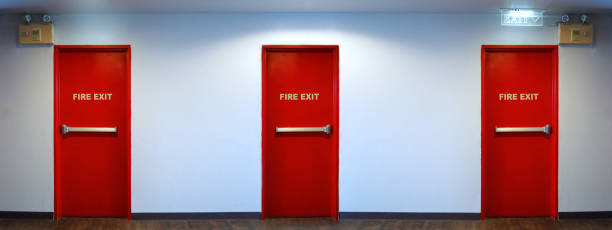
Why Are Certified Fire Door Installers So Important?
The answer comes down to trust. When people enter a building they trust the safety features around them. They trust alarm systems. They trust emergency lighting. They trust fire doors. That trust should rest on solid workmanship.
Certified professionals bring training practical knowledge and attention to detail. They understand that fire doors are not ordinary fixtures. They serve a purpose that extends far beyond opening and closing.
Building owners who work with Fire door installers in Staffordshire often do so because they value compliance safety and reliability. Those qualities matter every day. They matter even more when an emergency unfolds.
FAQs
What is a certified fire door installer?
A certified fire door installer is a trained specialist who understands fire door regulations installation standards and compliance requirements.
Can an incorrectly installed fire door fail an inspection?
Yes. Incorrect gaps damaged seals or unsuitable hardware can lead to inspection failures.
Why do fire doors need specialist installation?
Fire doors work as complete systems. Every component must fit correctly for the door to perform its safety function.
How can certification benefit building owners?
Certification provides confidence that the installer understands current standards and follows approved installation methods.
Are certified installers suitable for commercial buildings?
Yes. Certified installers work on offices schools hospitals residential blocks and many other types of properties.

