
What Upgrades in Porcelain Furnace Technology Are Worth Your Attention
Dental labs often run into a recurring problem that does not always show itself in obvious ways. A firing cycle looks correct on paper, yet the final ceramic shade shifts slightly, or the surface shows micro inconsistencies. Technicians adjust schedules, recheck materials, and still face repeat firing cycles that slow everything down. The real issue sits deeper inside temperature behavior, chamber control, and outdated firing logic that no longer matches modern ceramic materials.
The frustration grows when the workload increases. Small deviations multiply across batches, leading to wasted material, delayed cases, and inconsistent output that affects trust between labs and clinicians. Even experienced technicians can struggle when equipment responds differently under similar settings.
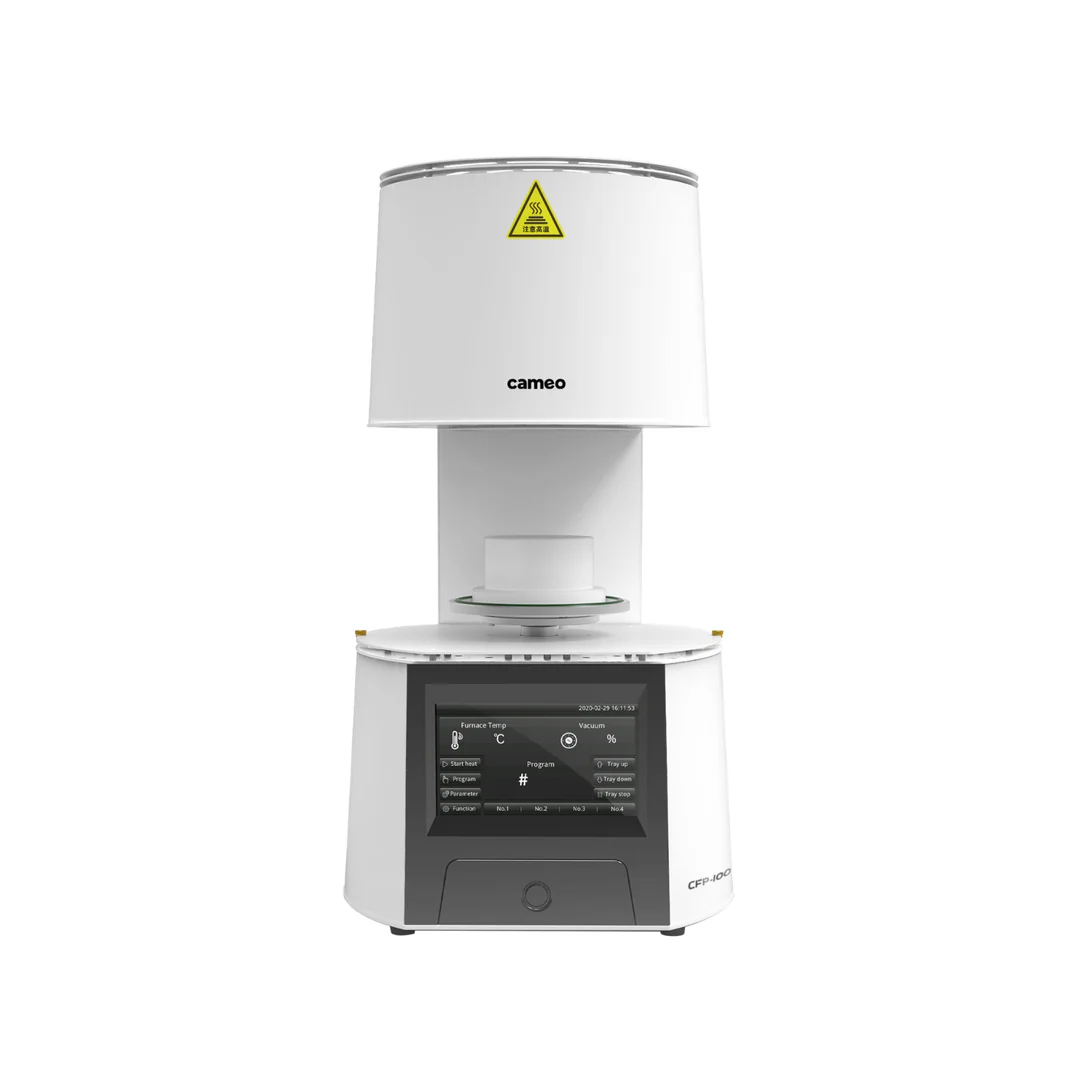
This is where modern upgrades change the operating reality. The Porcelain Furnace has moved far beyond basic heat cycles and now operates through layered control systems and smarter material handling logic. Understanding these shifts is the starting point for improving consistency across daily production.
Thermal Regulation Shifts in Firing Systems
The core change inside modern firing equipment lies in how heat is measured and controlled during every stage of the cycle. Earlier systems depended on single-point sensing, which created blind spots inside the chamber. Today, multi-zone monitoring allows tighter control across different chamber areas, reducing uneven thermal drift during long firing cycles.
The Porcelain Furnace now operates with a more stable heat distribution model that reduces variation between batches. Instead of reacting after fluctuations occur, newer systems adjust continuously during the cycle. This shift matters when working with layered ceramics that respond strongly to small temperature differences.
The Aidite Sintering Furnace has influenced this direction by introducing controlled ramp profiles that maintain predictable sintering behavior across dense material structures.
Technicians now rely less on manual correction and more on consistent thermal patterns that remain stable across repeated use.
Interface Logic and Operator Control Flow
Real-Time Process Feedback Systems
Modern control panels have shifted toward live process feedback that shows temperature curves and cycle stages in real time. This reduces guesswork during long firing runs. The Porcelain Furnace benefits from this shift by allowing operators to see how each stage develops instead of waiting for final results.
Cycle Memory and Repeat Settings
Another major improvement is stored cycle memory. Technicians can save successful firing profiles and reuse them without reprogramming each time. This reduces setup time and limits human input errors. The Aidite Sintering Furnace also supports stored profiles, which help align firing behavior across multiple units in a lab environment.
The Porcelain Furnace becomes more predictable when cycles are repeated under identical stored conditions rather than manually adjusted inputs.
Material Behavior and Compatibility Range
Modern ceramic materials behave differently under heat compared to older formulations. This has pushed equipment makers to redesign firing logic around broader compatibility rather than fixed settings.
The Porcelain Furnace now supports a wider range of materials, including multilayer ceramics and hybrid compositions. This reduces the need for multiple dedicated units inside a lab setup.
Key changes in compatibility handling include:
- Adaptive heating curves based on material density
- Controlled cooling phases to reduce internal stress
- Expanded firing presets for new ceramic types
- Reduced manual intervention during material switching
The Aidite Sintering Furnace supports similar material adaptability, especially in high-density sintering workflows where stability is critical.
When both systems are used in sequence, material handling becomes more predictable across production stages.
The Porcelain Furnace plays a central role in final surface outcomes, where even minor thermal mismatch can affect aesthetics and fit.
Energy Patterns and Operational Output Behavior
Energy usage in firing systems has become a key performance factor for labs running multiple cycles daily. Older units often consumed excess power due to prolonged heating curves and inefficient insulation layers. Modern designs focus on stabilizing energy input across each stage rather than applying constant high draw.
In the Porcelain Furnace, energy consumption is now distributed more evenly across ramp, hold, and cooling phases. This reduces unnecessary peaks that previously caused instability in chamber temperature. As a result, output becomes more consistent without increasing power demand.
The Aidite Sintering Furnace contributes to this shift by maintaining controlled sintering density without extended cycle durations. This reduces overall energy load across linked workflows.
Lower energy variation also improves material behavior, since ceramics respond better to stable heat input than fluctuating power patterns. Over time, this leads to fewer remakes and more predictable production cycles within the Porcelain Furnace environment.
Maintenance Structure and Failure Reduction Logic
Maintenance design has shifted from reactive repair toward early detection and modular replacement. Instead of waiting for failure, modern systems provide internal diagnostics that track performance changes over time.
The Porcelain Furnace now includes structured maintenance pathways that reduce downtime and simplify component replacement. Heating elements, sensors, and internal insulation layers are designed for quicker access without full system disassembly.
Internal Diagnostic Monitoring Systems
These systems track temperature response times and cycle deviations. When irregular patterns appear, alerts guide technicians toward specific components instead of general troubleshooting. This reduces diagnostic time and limits unnecessary part replacement.
Modular Component Architecture
Instead of full system servicing, individual sections can be replaced independently. This reduces downtime and keeps production running with minimal interruption. The Aidite Sintering Furnace follows a similar modular approach, allowing parallel maintenance without shutting down entire workflows.
Together, these systems reduce unexpected stoppages and help maintain steady operation of the Porcelain Furnace across high-demand environments.
Automation Direction in Firing Operations
Automation in firing systems is not about removing technicians from the process but reducing repetitive control tasks that slow production. Modern systems now allow predefined firing sequences that run with minimal input once materials are loaded.
The Porcelain Furnace supports structured automation where cycle selection, temperature ramping, and cooling phases follow programmed logic rather than manual adjustments. This reduces variability across operators with different experience levels.
The Aidite Sintering Furnace aligns with this direction by offering synchronized firing profiles that match upstream production stages.
Automation features include:
- Pre-programmed firing sequences for common restorations
- Batch processing support for multiple units
- Reduced manual temperature adjustment during cycles
- Standardized output behavior across repeated runs
The Porcelain Furnace becomes part of a coordinated workflow where consistency depends more on system logic than operator variation. This allows labs to handle larger workloads without increasing process complexity.
Conclusion
A closer look at modern firing systems shows that progress is not defined by a single upgrade but by the accumulation of controlled improvements across thermal behavior, material handling, and operational structure. The Porcelain Furnace now operates within a far more controlled environment than earlier generations, where variability was accepted as part of the process.
When viewed alongside broader lab systems, including workflows influenced by teams like Gro3X, it becomes clear that equipment is no longer isolated. It is part of a connected production chain where stability and repeatability decide overall output quality.
The Porcelain Furnace continues to sit at the center of ceramic work, shaping final results in ways that depend heavily on internal control logic and material response rather than operator intuition alone.
Frequently Asked Questions (FAQs)
1. What is the main upgrade in modern porcelain furnace systems?
Improved thermal control with multi-zone sensing is the most important change in Porcelain Furnace technology.
2. Does the Aidite Sintering Furnace support modern ceramic materials?
Yes, the Aidite Sintering Furnace is designed for high-density and multilayer material processing.
3. Why is cycle memory important in firing systems?
It allows technicians to repeat successful settings without reprogramming, reducing variation in Porcelain Furnace output.
4. How does energy behavior affect firing results?
Stable energy distribution improves ceramic response and reduces inconsistencies during Porcelain Furnace cycles.
5. What reduces downtime in modern furnace systems?
Modular components and internal diagnostics reduce failure time in Porcelain Furnace equipment.

