
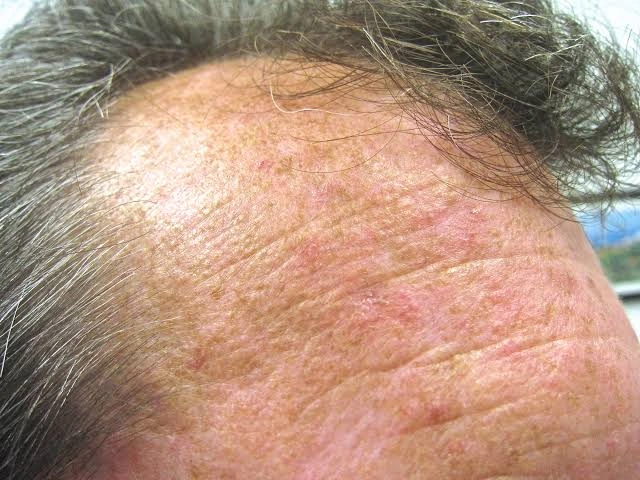
Actinic keratosis is a common skin condition caused by years of ultraviolet (UV) radiation exposure. What Are Actinic Keratosis? These are rough, scaly patches that develop when sun-damaged skin cells begin to grow abnormally. They often appear on the face, ears, scalp, neck, forearms, and hands.
Recognising these changes early helps you seek appropriate medical care and reduce further sun damage. Although some patches may seem harmless, actinic keratosis is considered precancerous because some lesions can develop into squamous cell carcinoma, a type of skin cancer. Knowing what to look for, when to consult a dermatologist, and how to protect your skin can make a meaningful difference.
What Is Actinic Keratosis?
Actinic keratosis, also called solar keratosis, develops after repeated exposure to ultraviolet radiation from sunlight or artificial tanning sources. UV rays damage the DNA of skin cells, particularly keratinocytes, which form most of the outer skin layer.
Over time, these damaged cells may multiply abnormally and create visible patches. Lesions can be small and difficult to notice at first, especially when they feel rough rather than look unusual.
Actinic keratosis usually develops on areas that receive frequent sunlight. People with fair skin, light-coloured eyes, a history of sunburn, or extensive outdoor exposure may face a higher risk. However, people of every skin tone can develop this condition.
The appearance varies between individuals. A patch may remain stable, disappear temporarily, return later, or progress. Because it is not possible to predict the behaviour of every lesion by appearance alone, professional assessment is important.
Common Signs of Sun-Damaged Skin
Recognising changes early can help you arrange an appropriate skin examination. Actinic keratosis may cause several visible or noticeable symptoms.
1. Rough, Sandpaper-Like Patches
One of the earliest signs is a rough patch that feels like sandpaper when you gently run your fingers over it. The affected area may be easier to feel than to see.
Patches can be pink, red, brown, grey, or similar to the surrounding skin. Their colour often depends on your natural skin tone and the amount of sun damage present.
2. Dry, Scaly Areas
The affected skin may develop a dry surface with fine scales or crusts. These scales sometimes shed and return, making the patch appear to improve before becoming noticeable again.
Moisturising may soften the surface, but it does not remove the abnormal cells responsible for actinic keratosis.
3. Redness and Irritation
Some lesions appear red or inflamed. They may feel sensitive, itchy, or uncomfortable, particularly after rubbing, shaving, or exposure to irritating skincare products.
Persistent irritation should not automatically be attributed to ordinary dryness. A clinician can determine whether the change represents actinic keratosis or another skin condition.
4. Thickened or Raised Skin
Certain lesions become thicker, firmer, or more raised than nearby skin. A pronounced, horn-like growth can occasionally develop.
A rapidly thickening patch, persistent tenderness, bleeding, or an open sore deserves prompt medical assessment because these features can indicate a more serious problem.
5. Changes on the Lips
Actinic keratosis can affect the lips, particularly the lower lip. This form is often called actinic cheilitis and may cause persistent dryness, scaling, cracking, or loss of the normal border between the lip and surrounding skin.
Do not assume that a persistent scaly lip is simply chapping. Arrange a medical examination if it does not heal or repeatedly returns.
Where Does Actinic Keratosis Usually Appear?
Sun-exposed areas are most likely to develop actinic keratosis because UV radiation accumulates over many years.
Common locations include:
- Face: Forehead, nose, cheeks, and temples.
- Scalp: Particularly areas with thinning hair or baldness.
- Ears: Especially the outer edges and tops.
- Hands: Backs of the hands and fingers.
- Forearms: Areas frequently exposed outdoors.
- Neck: The sides and back of the neck.
- Lips: Usually the lower lip.
Check these areas regularly, including places that are easy to overlook. Use a mirror or ask someone to help examine your scalp and ears. New or changing lesions deserve attention, even if they do not cause pain.
What Causes Actinic Keratosis?
Repeated UV exposure is the primary cause of actinic keratosis. Sunlight contains UVA and UVB radiation, both of which contribute to skin damage. Tanning beds and other artificial tanning devices can also expose skin to harmful UV radiation.
Several factors can increase your likelihood of developing the condition.
Risk Factors to Know
- Age: The effects of accumulated sun exposure become more noticeable over time.
- Fair skin: People who burn easily often have a higher risk.
- Previous sunburns: Repeated sunburns contribute to long-term skin damage.
- Outdoor activities: Regular work or recreation in direct sunlight increases exposure.
- Tanning beds: Artificial UV radiation can damage skin cells.
- Weakened immunity: People taking immunosuppressive medicines or living with certain immune conditions may develop more lesions.
- Previous actinic keratosis: Existing lesions indicate sun damage and an increased likelihood of further lesions.
You cannot change every risk factor, but you can limit additional UV exposure and seek regular professional skin checks when appropriate.
Is Actinic Keratosis a Form of Skin Cancer?
Actinic keratosis is not the same as invasive skin cancer, but it is considered a precancerous lesion. Some lesions can develop into squamous cell carcinoma, while others remain stable or disappear.
There is no reliable way to identify every lesion that will progress. The risk associated with an individual patch depends on several factors, including its characteristics, the person’s medical history, and immune status.
Warning Signs That Need Medical Attention
Arrange a prompt dermatology appointment if a patch:
- Grows quickly or becomes noticeably thicker.
- Bleeds without an obvious injury.
- Develops an ulcer or persistent open sore.
- Becomes increasingly painful or tender.
- Forms a firm, raised growth.
- Changes substantially in colour, shape, or texture.
These signs do not prove cancer, but they should not be ignored. A dermatologist may examine the area with a specialised magnifying device and recommend a biopsy if the diagnosis is uncertain or cancer is suspected.
How Is Actinic Keratosis Diagnosed?
Diagnosis usually begins with a visual examination and questions about sun exposure, previous skin problems, and changes in the affected area.
A dermatologist may use dermoscopy to examine surface structures more closely. If a lesion looks unusual, feels unusually firm, or does not respond as expected to treatment, a skin biopsy may be necessary.
During a biopsy, a small sample of skin is collected and examined under a microscope. This helps distinguish actinic keratosis from other conditions, including squamous cell carcinoma.
Do not try to diagnose a suspicious patch using photographs alone. Different skin conditions can look similar, and an examination provides more reliable information.
Medical Treatments That Can Help Clear Actinic Keratosis
Treatment depends on the number, thickness, location, and appearance of the lesions, as well as your medical history and preferences.
Cryotherapy
Cryotherapy uses liquid nitrogen to freeze abnormal skin cells. The treated area may sting, blister, crust, and gradually heal over several days or weeks.
This method is commonly used for a limited number of lesions. Temporary changes in skin colour or scarring can occur.
Prescription Creams and Gels
Certain prescription medicines treat visible lesions and, in some cases, broader areas containing early abnormal cells.
Options may include:
- 5-fluorouracil: Targets abnormal cells and often causes temporary redness, inflammation, and crusting.
- Imiquimod: Stimulates immune activity against abnormal skin cells.
- Tirbanibulin: A prescription treatment for suitable areas affected by actinic keratosis.
- Diclofenac gel: May be prescribed for selected cases, although treatment courses can be longer.
These medicines have different instructions, benefits, and side effects. Use them only under professional guidance, and never apply prescription products to the eyes or lips unless specifically directed.
Photodynamic Therapy
Photodynamic therapy uses a light-sensitive medicine followed by exposure to a particular light source. The process helps destroy abnormal cells in the treated area.
It may be useful when multiple lesions affect a wider region. Temporary burning, redness, and sensitivity to light can occur.
Curettage and Other Procedures
A dermatologist may scrape away a thicker lesion using a technique called curettage, sometimes combined with cautery. Other procedures may be appropriate depending on the location and clinical findings.
Your clinician can explain which approach is suitable and whether follow-up examinations are needed.
Can Natural Approaches Support Skin Health?
People often look for a Natural Treatment for Actinic Keratosis because they prefer gentle skincare and lifestyle changes. However, natural approaches have not been shown to reliably eliminate the abnormal cells that cause actinic keratosis.
Supportive habits can still help protect the skin and reduce further damage. These include using broad-spectrum sunscreen, wearing protective clothing, avoiding tanning beds, and applying a gentle moisturiser to dry skin.
Do not apply acidic household ingredients, essential oils, concentrated herbal extracts, or abrasive scrubs to suspicious lesions. Such products can cause irritation, burns, or delayed diagnosis.
A dermatologist should assess a suspected lesion before you try home treatments. If a professional recommends medical treatment, skincare and lifestyle measures should complement rather than replace it.
Everyday Habits That Protect Sun-Damaged Skin
Preventing further UV damage is an important part of long-term skin care, particularly if you have already developed actinic keratosis.
Choose Effective Sun Protection
Use a broad-spectrum sunscreen with SPF 30 or higher. Apply it generously to exposed skin before going outdoors, following the product instructions.
Reapply approximately every two hours while outside, and reapply sooner after swimming, sweating, or towel-drying when indicated. Sunscreen reduces UV exposure but does not eliminate risk completely.
Wear Protective Clothing
A wide-brimmed hat, UV-protective sunglasses, long sleeves, and closely woven clothing can help shield exposed areas. Consider clothing designed with an ultraviolet protection factor when spending extended periods outdoors.
Seek Shade
UV radiation can remain strong even when the weather is cloudy. Seek shade when possible, especially around midday, and avoid deliberate tanning.
Monitor Your Skin
Examine your skin regularly for new rough patches, persistent scaling, sores, or changes in existing lesions. Keep appointments recommended by your dermatologist, especially if you have several lesions or a history of skin cancer.
What Natural Remedies Can and Cannot Do
Interest in Natural Remedies for Actinic Keratosis often comes from the desire to avoid irritation or support healthier-looking skin. Gentle moisturisers may reduce dryness, while a balanced diet supports general health.
However, evidence does not establish that herbal preparations, vitamins, dietary changes, or home remedies can reliably cure actinic keratosis or prevent an existing lesion from becoming cancerous.
Antioxidant-rich foods, including colourful vegetables, fruit, nuts, and seeds, can form part of a balanced diet. They should not be presented as substitutes for sunscreen, dermatological assessment, or proven treatments.
Before taking supplements, discuss them with a qualified healthcare professional, particularly if you use prescription medicines or have other medical conditions.
Choosing Skin Products Carefully
If you explore skincare options from Herbal Care Products, check the ingredient list, intended use, and available safety information. Products designed to moisturise or support general skin care should not be assumed to treat precancerous lesions.
Avoid products that promise to remove actinic keratosis without clinical evidence or claim that medical assessment is unnecessary. Natural ingredients can still cause allergic reactions, irritation, or interactions with medicines.
Ask your dermatologist before applying a new product to a diagnosed lesion or recently treated area. Follow wound-care instructions carefully, and allow the skin to heal as directed.
Frequently Asked Questions
What are the earliest signs of actinic keratosis?
Early signs commonly include a rough, dry, scaly patch on sun-exposed skin. It may be pink, red, brown, or similar to your normal skin colour. Some patches are easier to feel than see.
Can actinic keratosis disappear on its own?
Some lesions may become less noticeable or disappear temporarily. However, this does not guarantee that the abnormal cells have been eliminated or that new lesions will not appear. Arrange an examination for persistent or changing patches.
Does actinic keratosis always become cancer?
No. Many lesions never progress to cancer, but some can develop into squamous cell carcinoma. A clinician can assess the lesion and recommend appropriate treatment or monitoring.
Is actinic keratosis contagious?
No. Actinic keratosis is caused by accumulated UV damage, not an infection that spreads through touching, sharing clothing, or close contact.
How often should I have my skin checked?
There is no single schedule suitable for everyone. Your dermatologist can recommend follow-up based on your number of lesions, previous skin cancers, immune status, and ongoing sun exposure.
What Are Actinic Keratosis? Should every rough patch concern me?
Not every rough patch is actinic keratosis. Eczema, dry skin, seborrhoeic keratosis, and other conditions may appear similar. Persistent, growing, bleeding, or painful patches should receive professional assessment rather than self-diagnosis.
Final Thoughts
Actinic keratosis is an important warning sign that your skin has experienced significant UV damage. Recognising rough patches, persistent scaling, thickened areas, and unusual changes can help you seek care before complications develop.
The most effective approach combines professional assessment, suitable treatment, ongoing sun protection, and regular skin monitoring. Healthy lifestyle habits and gentle skincare can support overall skin health, but they cannot replace proven treatment for precancerous lesions.
If you notice a suspicious patch, particularly one that grows, bleeds, becomes painful, or fails to heal, arrange an appointment with a dermatologist. Early evaluation helps clarify the diagnosis and allows you to make informed decisions about protecting your skin.

