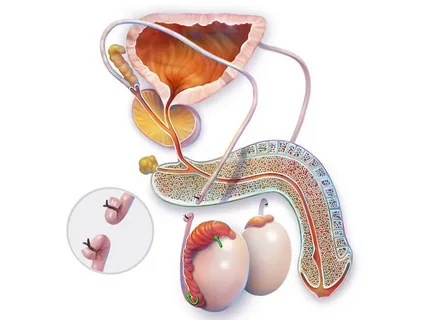
No scalpel vasectomy has become one of the most widely preferred methods of permanent male contraception due to its minimally invasive nature, low complication rates, and fast recovery profile. While the procedure itself is highly effective, sterility is not immediate after surgery. Patients must wait until remaining sperm are completely cleared from the reproductive tract before relying on the procedure for contraception. This interval is known as semen clearance time.
Research into no scalpel vasectomy and semen clearance time variability has become increasingly important because clearance rates differ significantly among individuals. Some men achieve azoospermia, or complete absence of sperm, within a few weeks, while others may continue to show residual sperm for several months. Understanding why this variability occurs helps physicians improve counseling, follow-up protocols, and patient expectations.
Understanding Semen Clearance After No Scalpel Vasectomy
During a no scalpel vasectomy, the vas deferens is interrupted to prevent sperm from entering the ejaculate. However, sperm that already exist in the distal reproductive tract remain present after the procedure. These residual sperm must gradually clear through ejaculation over time.
This means that fertility can temporarily persist despite technically successful surgery. Patients are therefore instructed to continue using alternative contraception until postoperative semen analysis confirms successful sperm clearance.
Semen clearance is generally evaluated using:
- Sperm count testing
- Microscopic semen analysis
- Post-vasectomy semen examinations
- Azoospermia confirmation protocols
The speed of clearance varies considerably between individuals, leading researchers to investigate the biological and behavioral factors involved.
Why Semen Clearance Time Matters
The timing of sperm clearance is clinically significant because early discontinuation of contraception may lead to unintended pregnancy. Although no scalpel vasectomy is highly effective, contraceptive reliability depends on confirmed postoperative sterility.
Monitoring semen clearance helps:
- Confirm procedural success
- Detect delayed sperm persistence
- Identify possible recanalization
- Reduce pregnancy risk
- Improve patient safety
Healthcare providers typically recommend one or more semen analyses after surgery before patients are considered sterile.
Average Clearance Time After No Scalpel Vasectomy
Most patients achieve sperm clearance within several weeks to a few months after the procedure. However, there is no universal timeline that applies to every patient.
Research commonly reports:
- Significant sperm reduction within 6 to 8 weeks
- Azoospermia in many patients by 12 weeks
- Persistent non-motile sperm in some individuals for several months
- Rare delayed clearance cases extending beyond six months
Because of this variability, physicians focus more on semen analysis results than fixed timelines alone.
Role of Ejaculation Frequency
One of the most important factors affecting semen clearance time is ejaculation frequency. Residual sperm are physically removed through repeated ejaculation after surgery.
Patients with higher ejaculation frequency often experience:
- Faster sperm clearance
- Earlier azoospermia confirmation
- Reduced duration of contraceptive overlap
Conversely, infrequent ejaculation may prolong residual sperm presence within the reproductive tract.
Many postoperative protocols recommend a minimum number of ejaculations before semen testing. This recommendation is designed to accelerate clearance and improve test accuracy.
Biological Factors Influencing Variability
Several biological characteristics may affect how quickly sperm disappear from semen after no scalpel vasectomy.
Age
Older patients may occasionally demonstrate slower reproductive tract clearance due to age-related physiological changes. However, the influence of age is not entirely consistent across studies.
Vas Deferens Anatomy
Differences in vas deferens length, luminal diameter, and epididymal storage capacity may contribute to variability in residual sperm retention.
Sperm Production Rates
Men with naturally higher sperm production may require more time for complete clearance because a larger volume of stored sperm remains present after surgery.
Epididymal Storage Capacity
The epididymis stores mature sperm before ejaculation. Variations in epididymal capacity can influence how long residual sperm remain detectable after vasectomy.
Surgical Technique and Clearance Outcomes
No scalpel vasectomy itself reduces tissue trauma compared with conventional vasectomy methods. However, additional surgical techniques used during the procedure may influence semen clearance patterns.
These include:
- Thermal cautery
- Fascial interposition
- Open-ended vasectomy approaches
- Segment excision length
Certain techniques may improve occlusion reliability and reduce the risk of sperm persistence or recanalization.
Modern evidence suggests that combining no scalpel access with advanced vas occlusion methods results in excellent long-term sterility outcomes.
Persistent Non-Motile Sperm
One important aspect of semen clearance variability is the persistence of non-motile sperm. Some patients continue to produce semen samples containing rare inactive sperm cells despite successful vasectomy.
This situation does not necessarily indicate fertility or surgical failure. In many cases:
- Residual sperm are incapable of movement
- Pregnancy risk remains extremely low
- Complete azoospermia may eventually occur naturally
Clinical guidelines often distinguish between motile sperm persistence and rare non-motile sperm because the latter carries significantly lower reproductive potential.
Delayed Clearance and Recanalization
Although uncommon, delayed semen clearance may occasionally signal early recanalization. Recanalization occurs when microscopic reconnection develops between the severed ends of the vas deferens.
Signs that may prompt further evaluation include:
- Persistent motile sperm over time
- Rising sperm counts during follow-up
- Failure to achieve clearance after multiple tests
Early identification of recanalization is essential because it may compromise contraceptive effectiveness.
Fortunately, true recanalization remains rare following properly performed no scalpel vasectomy procedures.
Psychological Impact of Delayed Clearance
Semen clearance variability can also influence patient psychology. Men who expect immediate sterility may experience frustration or anxiety when sperm persist longer than anticipated.
Common emotional concerns include:
- Fear of procedural failure
- Stress regarding unintended pregnancy
- Confusion about prolonged testing
- Reduced confidence in contraceptive reliability
Clear preoperative counseling helps patients understand that delayed clearance is relatively common and usually does not indicate a failed vasectomy.
Importance of Post-Vasectomy Semen Analysis
Post-vasectomy semen analysis remains the gold standard for confirming sterility after no scalpel vasectomy. Without laboratory confirmation, residual fertility may go undetected.
Semen testing typically evaluates:
- Presence or absence of sperm
- Sperm motility
- Residual sperm concentration
- Trends across repeated samples
Some patients require multiple semen analyses before official clearance is granted.
Adherence to follow-up testing is extremely important because many vasectomy failures occur when patients abandon contraception before laboratory confirmation.
Emerging Research and Predictive Models
Researchers are increasingly exploring predictive models to estimate semen clearance time variability. Machine learning systems and AI-driven analytics may eventually help physicians forecast which patients are likely to experience delayed clearance.
Emerging research areas include:
- Genetic predictors of sperm persistence
- Hormonal influences on clearance speed
- Digital semen analysis automation
- Personalized postoperative testing schedules
- Predictive recovery algorithms
These innovations could improve patient counseling and reduce unnecessary follow-up testing in the future.
Conclusion
No scalpel vasectomy is a highly effective and minimally invasive contraceptive procedure, but sterility is not immediate after surgery. Semen clearance time variability is influenced by ejaculation frequency, biological differences, surgical technique, and individual reproductive physiology. While many patients achieve azoospermia within a few months, others experience prolonged persistence of residual sperm, particularly non-motile sperm.
Understanding these variations is essential for accurate counseling, safe contraceptive planning, and proper postoperative follow-up. Continued research into predictive models and individualized testing strategies may further improve patient outcomes and optimize long-term vasectomy management.
FAQs
1. How long does semen clearance take after no scalpel vasectomy?
Most men achieve sperm clearance within 8 to 12 weeks, but some may require several months before semen analysis confirms sterility.
2. Can residual sperm remain after a successful no scalpel vasectomy?
Yes. Residual sperm commonly remain in the reproductive tract after surgery and gradually clear through ejaculation over time.
3. Why are semen tests necessary after no scalpel vasectomy?
Post-vasectomy semen analysis confirms whether sperm are still present and ensures that the procedure has successfully achieved sterility before alternative contraception is discontinued.
-
Tags: