
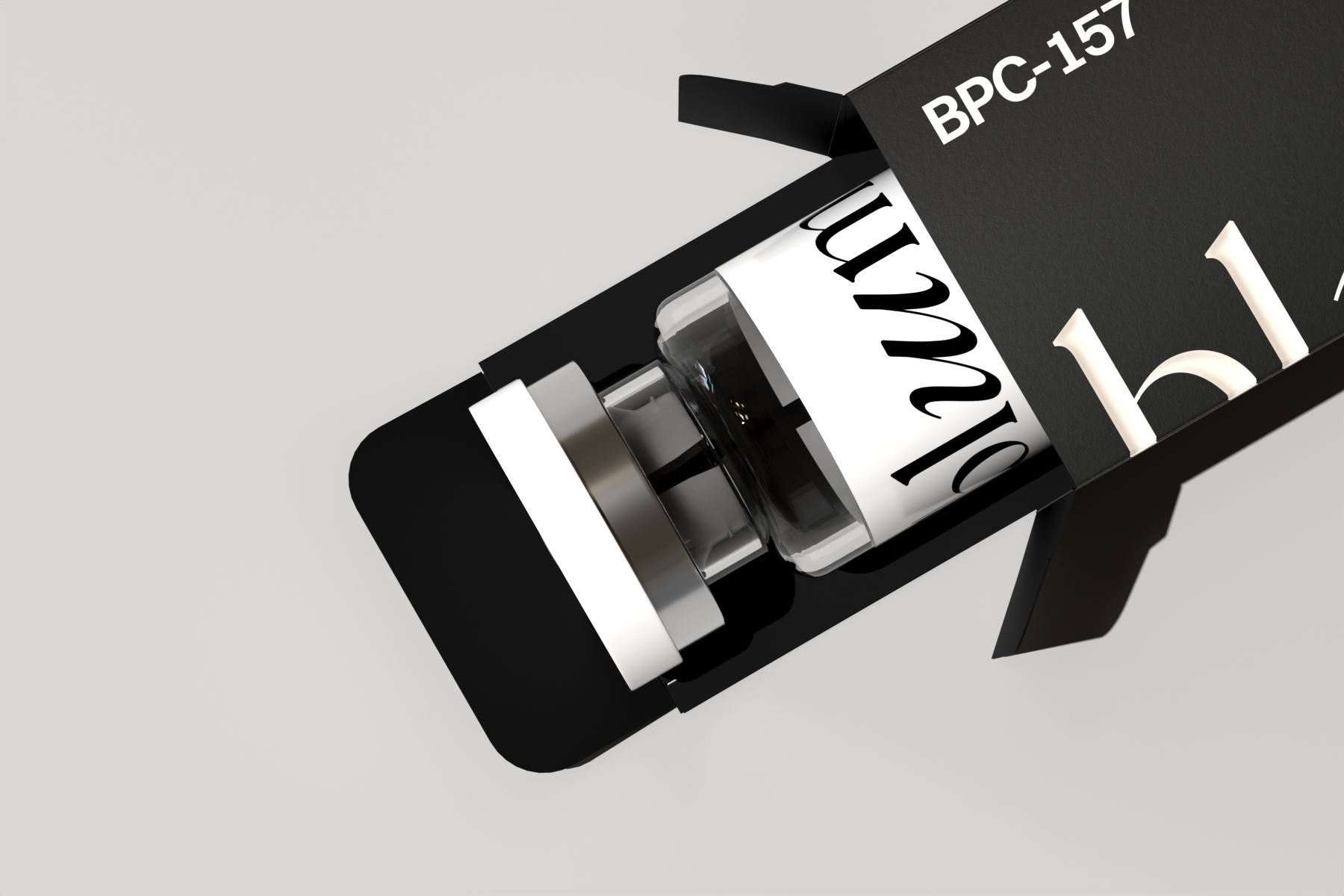
Searching for bpc 157 for sale can be surprisingly complicated because online listings often combine scientific terminology with broad marketing claims. BPC-157 is a synthetic pentadecapeptide that has generated considerable interest through laboratory and animal research involving tissue responses, inflammatory signaling, vascular processes, and musculoskeletal models. A 2025 systematic review identified 36 relevant studies, but 35 were preclinical and only one was clinical. This evidence profile means researchers should approach commercial availability as a sourcing question rather than evidence of established human effectiveness.
The growing number of online peptide listings makes careful evaluation even more important. Product descriptions may mention purity, research grade status, laboratory testing, or certificates of analysis, but these terms are meaningful only when supported by appropriate documentation. Researchers should separate measurable characteristics from promotional statements before deciding whether a material is suitable for laboratory work. A reliable sourcing process should focus on identity, analytical characterization, batch traceability, documentation, and compliance requirements.
Start With Clear Product Identification
A useful evaluation begins with determining exactly what material a supplier is offering. Researchers reviewing bpc 157 for sale should look for a clearly identified compound, stated chemical information, batch or lot number, quantity, and relevant analytical specifications. A listing that provides only a product name and an impressive purity percentage leaves important questions unanswered. Clear identification is particularly important when experimental results must later be reproduced or compared.
Researchers should also avoid assuming that products with similar descriptions are chemically equivalent. Differences in formulation, manufacturing process, storage conditions, or analytical characterization can affect the material used in an experiment. The goal should be to establish a documented connection between the physical sample and its stated specifications. This provides a stronger foundation for research than choosing a product based primarily on price, appearance, or promotional language.
Look for Independent Analytical Testing
Independent analytical testing can provide useful information about the characteristics of a research peptide. High-performance liquid chromatography may be used to evaluate chromatographic purity, while mass spectrometry can support molecular identity and molecular-mass confirmation. Depending on the research requirements, additional analytical methods may be relevant for detecting impurities or assessing other quality characteristics. No single test answers every question, so researchers should consider the overall analytical package.
A certificate of analysis can be helpful when it corresponds directly to the batch being evaluated. Researchers should examine whether the document includes the lot number, testing date, laboratory information, methods used, and reported findings. Generic certificates or example chromatograms may not demonstrate the characteristics of a specific production batch. Strong documentation should make it possible to trace the analytical result back to the actual material being considered for research.
Evaluate Supplier Transparency
Transparency is an important characteristic when navigating the online market for research peptides. A supplier should provide sufficient technical information for researchers to understand what is being offered without depending entirely on vague quality statements. Researchers can examine whether product specifications are consistent, whether analytical documents are available, and whether claims about biological effects match the scientific evidence. Unsupported statements about healing, recovery, or guaranteed outcomes should be treated cautiously.
A transparent supplier should also make clear whether the material is intended for laboratory research and what limitations apply to the product. This does not establish regulatory approval or clinical safety, but it helps researchers understand the context in which the material is being marketed. Researchers should independently evaluate the compound’s scientific and regulatory status rather than treating supplier language as authoritative. This distinction is especially important for investigational peptides with limited human evidence.
Why Batch Traceability Matters
Batch traceability is one of the most practical ways to strengthen research material documentation. When evaluating bpc 157 for sale, researchers should ensure that any certificate of analysis or analytical report corresponds to the exact lot being considered. A report for an older or unrelated batch does not automatically establish the characteristics of the current material. Recording the lot number creates a direct connection between the research sample and its supporting documentation.
This information can become especially valuable if experimental findings are inconsistent. Researchers can compare batches, review their analytical records, and determine whether differences in material characteristics may have contributed to the results. Proper traceability also helps collaborators understand exactly which material was used in a study. Good documentation therefore supports reproducibility even when the compound itself remains investigational.
Understand the Current Evidence
BPC-157 has been studied extensively in preclinical models, with research exploring possible effects involving angiogenesis, inflammatory pathways, tissue responses, and musculoskeletal healing. These findings provide scientific questions for continued investigation, but they should not be presented as established clinical outcomes. The 2025 systematic review found a strong predominance of preclinical research and reported that clinical safety data were not available in the reviewed evidence. This distinction should remain central when evaluating commercial claims.
More recent research continues to describe significant translational barriers. A 2026 review highlighted unresolved issues involving formulation, pharmacokinetics, pharmaceutical development, and the limited nature of available clinical data. Researchers should therefore distinguish between biological activity observed in experimental models and evidence demonstrating safety or effectiveness in people. Reliable sourcing can improve the quality of an experiment, but it cannot substitute for appropriately designed clinical research.
Regulatory and Legal Considerations
Researchers should also investigate the regulatory environment before acquiring BPC-157. Current U.S. Food and Drug Administration materials identify BPC-157-related substances as presenting unresolved concerns involving safety information, peptide-related impurities, immunogenicity, and active pharmaceutical ingredient characterization. FDA briefing materials from 2026 also stated that insufficient clinical safety information was available to characterize the safety profile of BPC-157 for certain proposed routes. These findings are important when assessing the broader status of the compound.
Online availability should not be interpreted as proof of approval or unrestricted legal status. Rules can differ between countries and can depend on intended use, formulation, labeling, and research setting. Researchers should consult the requirements applicable to their own institution and jurisdiction before acquiring or studying an investigational peptide. A product described as being for research does not automatically remove regulatory responsibilities.
Comparing BPC-157 With KLOW Blend Peptides
Researchers searching for bpc 157 for sale may also encounter products described using terms such as klow blend peptides. These should not automatically be considered equivalent to standalone BPC-157. KLOW generally refers to a multi-component research blend associated with peptides such as BPC-157, KPV, TB-500, and GHK-Cu, although formulations can vary between products. Because a blend contains multiple components, its analytical and biological evaluation is different from studying a single defined peptide.
This distinction matters when interpreting research results. Evidence involving BPC-157 alone cannot automatically establish the effects of a multi-peptide blend, just as findings involving a blend cannot identify the contribution of each individual component without appropriate experimental controls. Researchers should therefore record the exact composition and analytical characteristics of any material under investigation. Treating every peptide product as interchangeable can introduce significant uncertainty into experimental conclusions.
Avoid Confusing Purity With Biological Validation
A high purity result is useful but does not establish that a research peptide is safe, effective, or clinically validated. Chemical purity describes the composition of a sample according to a particular analytical method, whereas biological validation requires appropriately designed experiments addressing specific research questions. BPC-157 remains an investigational compound, and current evidence does not provide the level of human safety information expected for an approved therapeutic product.
FDA materials have also highlighted potential concerns related to immunogenicity and peptide-related impurities. These issues demonstrate why researchers should consider more than a single purity percentage when evaluating materials. Identity confirmation, impurity assessment, stability, formulation characteristics, and experimental controls can all contribute to a more complete research-quality assessment. The strongest approach is therefore analytical, evidence-based, and transparent about remaining uncertainties.
Building a Practical Supplier Evaluation Process
Researchers can make the sourcing process more systematic by establishing a checklist before reviewing individual suppliers. The checklist can include clear compound identification, batch-specific documentation, independent analytical testing, identity confirmation, purity information, testing laboratory details, storage information, and transparent research-use statements. Researchers can then compare available materials using the same criteria rather than relying on whichever listing makes the strongest marketing claims.
After selecting research material, maintaining complete records is equally important. Documentation can include supplier information, batch number, analytical reports, receipt date, storage conditions, and relevant experimental notes. This creates a traceable research history that can support troubleshooting and reproducibility. It also makes it easier to determine whether differences between experiments are associated with methodology or with differences in the material itself.
Final Perspective on Reliable BPC-157 Sourcing
Finding reliable bpc 157 for sale requires more than locating an online listing. Researchers should evaluate the material’s identity, analytical documentation, batch traceability, supplier transparency, evidence base, and applicable regulatory requirements. Current scientific literature shows considerable preclinical interest but comparatively limited human evidence, making careful interpretation essential. Commercial availability alone cannot establish clinical effectiveness or safety.
The same disciplined approach should be applied when researchers encounter related products such as klow blend peptides. A multi-component blend and standalone BPC-157 represent different research materials and require separate characterization. By emphasizing independent testing, transparent documentation, evidence quality, and regulatory awareness, researchers can make more informed decisions about laboratory materials while maintaining appropriate scientific standards. Reliable sourcing is ultimately less about marketing claims and more about knowing exactly what material is being studied and how confidently its characteristics can be verified.
-
Tags:

