
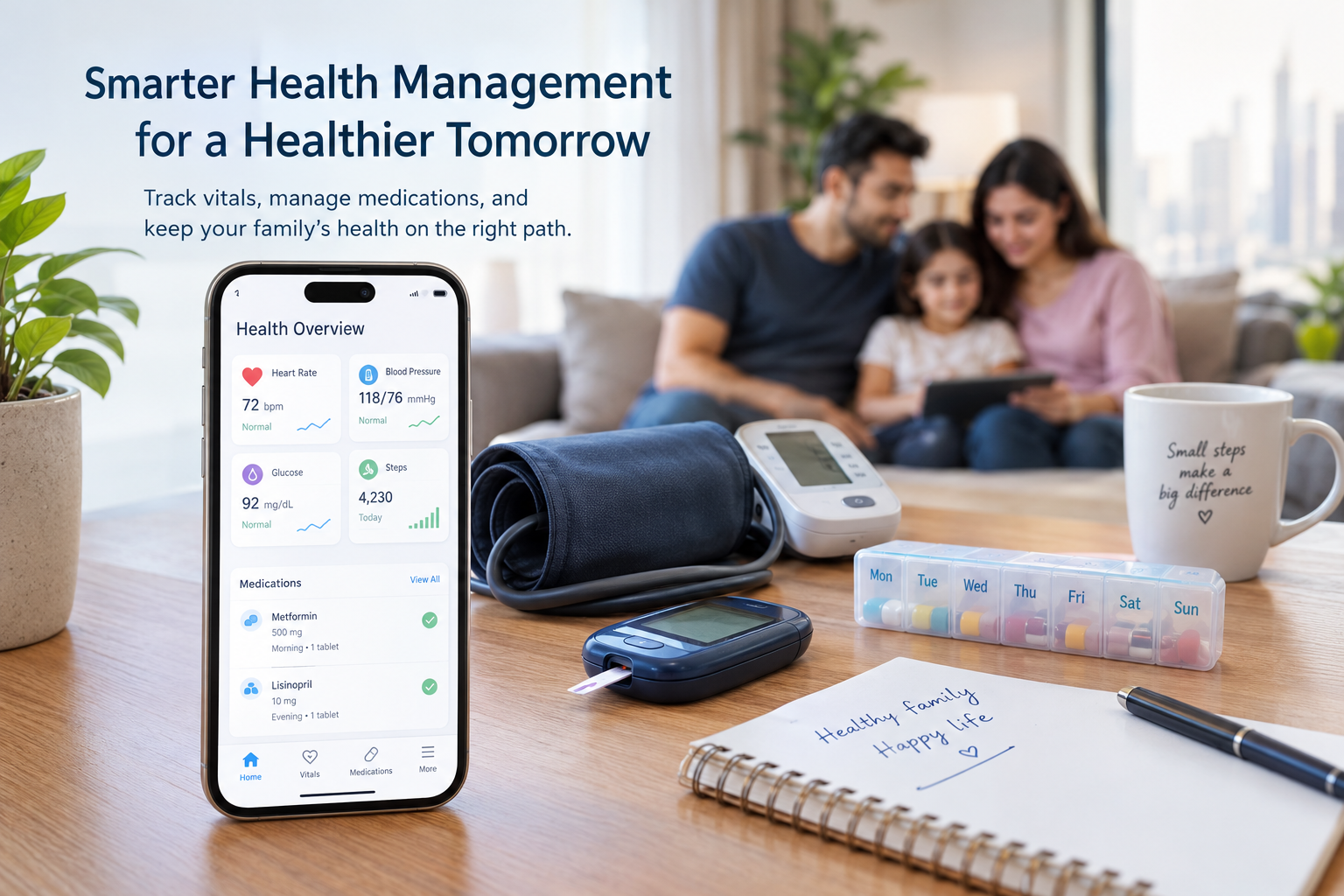
Keeping track of your health used to mean writing numbers in a notebook, saving prescription papers, and trying to remember when you last took your medication. For many people, these small tasks can become difficult when work, family responsibilities, and regular appointments fill the day. Thankfully, digital health tools are making it easier to manage these everyday responsibilities from home.
A home health monitoring app gives people a simple way to record important health information, review changes over time, and stay organized. Instead of keeping different records in different places, users can use their phones to maintain a clearer picture of their daily health routine.
As more people take an active role in their healthcare, these tools are becoming useful for individuals, parents, and family caregivers alike.
Why Home Health Monitoring Matters More Than Ever
Healthcare does not begin and end at a doctor’s office. What happens between appointments can also provide valuable information about a person’s well-being. Changes in blood pressure, blood glucose, symptoms, or medication routines may be worth discussing with a healthcare professional.
However, remembering every reading is not always easy. A number recorded on Monday might be forgotten by Friday, especially when someone is managing a long-term condition.
A digital health record can help solve this problem. With a health vitals log app, users can keep their readings together and review previous entries when needed. This makes it easier to notice patterns, prepare questions, and share accurate information during medical appointments.
The goal is not to replace professional medical care. It is to make everyday health management more organized and less stressful.
Making Blood Pressure Tracking Part of Daily Life
Blood pressure is one of the measurements healthcare professionals may ask people to monitor at home. Yet taking a reading is only one part of the process. Recording it consistently and understanding the results over time are equally important.
A blood pressure tracker app can help users save readings alongside dates and times. Rather than relying on memory or loose pieces of paper, they can review their history whenever necessary.
Why Consistent Records Are Helpful
Blood pressure can change throughout the day depending on activity, stress, sleep, and other factors. A single reading does not always tell the full story.
Keeping a regular record gives healthcare professionals more information to consider when reviewing a person’s health. It can also help users follow the monitoring routine recommended by their clinician.
For more useful records, measurements should be taken according to professional guidance, using a properly sized cuff and the correct technique. Users should avoid changing prescribed medication based only on app readings.
Digital tracking is most helpful when it supports informed conversations with a healthcare provider rather than encouraging people to diagnose themselves.
Tracking Blood Glucose and Other Vital Signs Together
People who monitor more than one health measurement may find it inconvenient to switch between separate notebooks or applications. This is where a glucose and blood pressure tracker can offer practical value.
Keeping relevant readings in one place can make daily routines easier to follow. Someone managing diabetes and high blood pressure, for example, may need to record different measurements at different times. An organized record can reduce confusion and help them prepare for follow-up appointments.
A tool that helps users track vital signs app information should make entering and reviewing measurements straightforward. Clear dates, readable records, and simple navigation matter more than complicated features that people rarely use.
Building a Useful Health History
Consistency is more important than recording everything perfectly. Users can begin with the measurements their healthcare professional recommends and build a routine that fits their needs.
Over time, these records may help answer practical questions. Have readings changed since the last appointment? Were measurements taken at the recommended times? Is there anything the patient wants to discuss with their doctor?
A well-maintained record does not explain the cause of a change on its own, but it can provide helpful context for a professional assessment.
Managing Medication Without the Daily Confusion
Medication routines can become complicated, particularly when prescriptions involve different doses or times. It is easy to forget whether a tablet has been taken, when a prescription needs renewing, or whether a family member has enough medication for the coming week.
A medication schedule app can help users organize these details in a single place. Depending on the available features, they may be able to record medication names, set reminders, and review their schedules.
For busy households, a pill reminder app for family can also support caregivers who help relatives manage their prescriptions. Having a shared routine may reduce missed reminders and make responsibilities easier to coordinate.
Why Refill Reminders Can Make a Difference
Running out of a regular prescription can create unnecessary stress. A refill reminder app can help users plan ahead by reminding them to check their remaining supply before it runs out.
These reminders are particularly useful when a prescription requires advance planning or a pharmacy visit. However, an app reminder does not guarantee that a prescription has been renewed or that a medication is available. Users should confirm refills with their pharmacy or healthcare provider.
It is also important to remember that medication changes should always follow professional advice. Digital reminders help with organization, but they do not replace instructions from a doctor or pharmacist.
Supporting Family Caregivers With Better Organization
Looking after another person’s health often involves more than one responsibility. A caregiver might help an older parent record blood pressure, remind a partner about medication, and keep track of a child’s appointments. Managing these tasks through scattered notes and messages can quickly become overwhelming.
Tools that help families track medications for multiple people can bring greater structure to these routines. When an application supports separate profiles or individual schedules, caregivers can more easily distinguish one person’s information from another’s.
This distinction is essential. Each person has their own prescriptions, health history, and care instructions. Mixing records can lead to confusion, so information should always be checked before taking action.
Families should also consider privacy when choosing digital health tools. Access permissions, secure account practices, and clear rules about who can view personal records are important, especially when several people share caregiving responsibilities.
Choosing a Health Tracking App That Fits Your Routine
Not every health application suits every household. Some people only need a place to record blood pressure, while others want help organizing several measurements and medication schedules.
Before choosing a home health monitoring app, consider what you actually need it to do. Is it easy to enter readings? Can you find previous records without searching through multiple screens? Are medication reminders simple to manage? Can the information be shared with a healthcare professional when appropriate?
A useful application should make these tasks easier, not create another complicated routine to maintain.
It is also worth checking how the app handles personal information, whether its features work on your device, and whether the information can be exported or shared. These practical details may matter more over time than a long list of extra features.
For people looking for a straightforward way to organize daily health information, MedKeep at https://medkeep.app is one option to explore when comparing digital health management tools. Users should review its current features and privacy information to decide whether it meets their individual needs.
Making Small Changes for Better Health Habits
Technology is most useful when it fits naturally into everyday life. Trying to record too many details at once can make a new habit difficult to maintain. Starting with one or two important tasks is often more realistic.
For example, someone might begin by recording blood pressure at the times recommended by their clinician. Another person may start with medication reminders or a weekly check of prescription supplies. Once the routine feels manageable, they can decide whether additional tracking would be useful.
A simple health vitals log app can support this process by keeping records organized and accessible. Combined with sensible reminders and regular medical guidance, digital tools can help people feel more prepared to participate in their own care.
Still, no application can guarantee better health outcomes or identify every medical problem. New or concerning symptoms require appropriate medical attention, and urgent symptoms should never be ignored while waiting to enter information into an app.
A More Organized Approach to Everyday Healthcare
Managing health at home does not have to involve complicated spreadsheets, scattered paperwork, or constant guesswork. A practical digital routine can help people record vital signs, organize medication schedules, and prepare for conversations with healthcare professionals.
Whether someone needs a blood pressure record, medication reminders, or a way to coordinate care for a family member, the best solution is one that fits their daily routine and makes important information easier to manage.
Digital health tools are not a substitute for professional care. Their real value lies in helping people stay organized, recognize when they need advice, and take a more informed role in everyday health decisions. With consistent habits and the right support, managing health at home can become a little simpler for individuals and families alike.

