
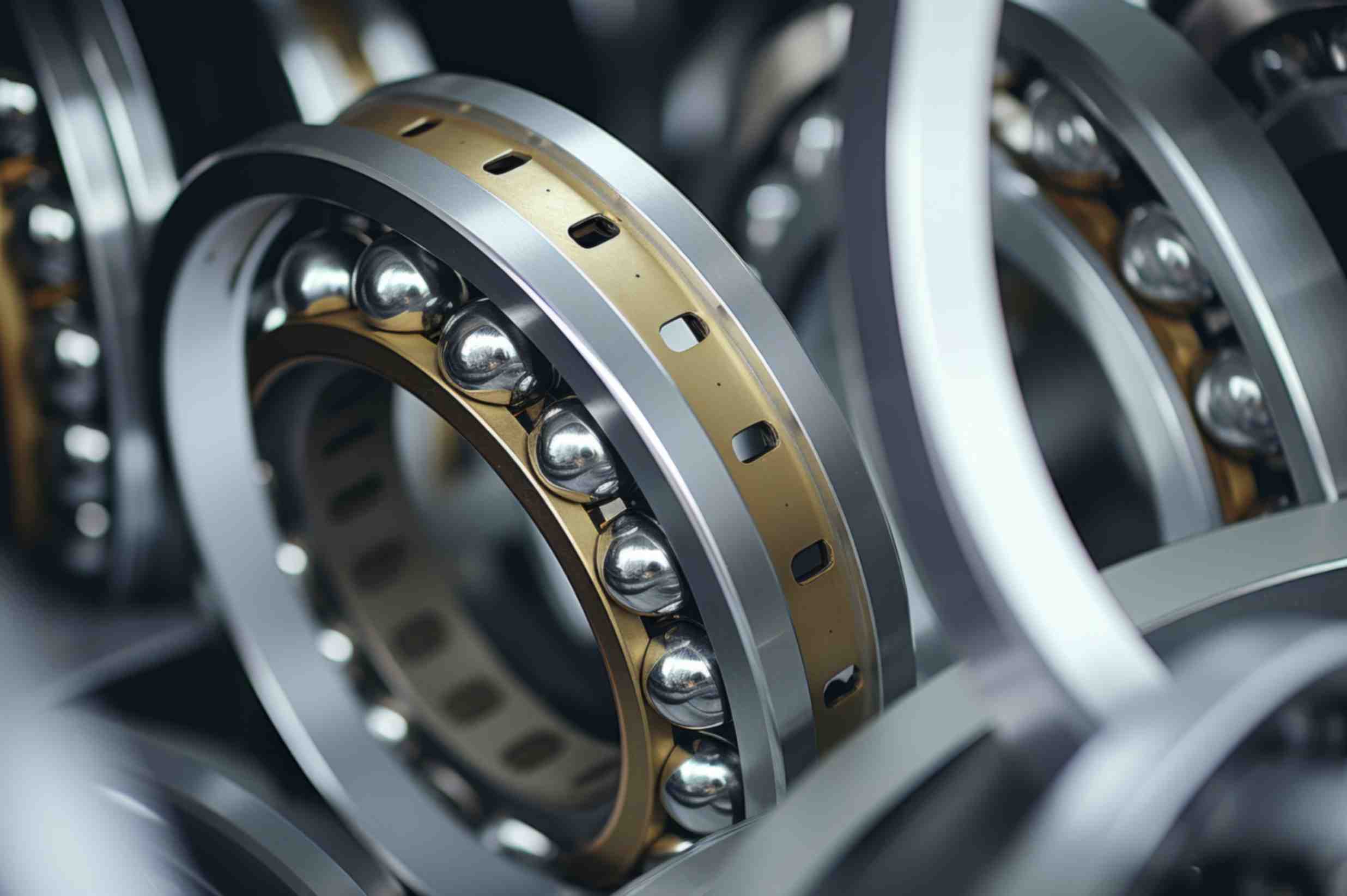
Choosing the right bearing type plays an important role in improving machine performance, efficiency, and durability. Different industries rely on different bearing solutions depending on their operating needs, and understanding their advantages helps in making better decisions. Journal bearings are known for their smooth operation, strong load support, and ability to perform effectively in demanding conditions. Rolling bearings also provide excellent benefits, making the comparison between these two types valuable for engineers, manufacturers, and equipment users.
Understanding Bearing Technology and Its Importance
Bearings are essential mechanical components that allow moving parts to operate with reduced friction. They support rotating shafts and help machines achieve better performance with less wear. A high-quality bearing system improves reliability, reduces maintenance requirements, and increases the overall life of equipment.
Both journal bearings and rolling bearings are designed to provide efficient movement, but their working methods create different advantages. Selecting the right option depends on factors such as load capacity, speed, operating environment, and long-term performance expectations.
Benefits of Journal Bearings
Smooth and Quiet Operation
One of the biggest advantages of journal bearings is their ability to provide smooth movement. Their design creates a continuous surface contact between the shaft and bearing, allowing stable operation. This smooth performance helps reduce vibration and noise, which is especially beneficial for machines that require quiet and consistent functioning.
A smoother operation also supports better equipment performance by reducing unnecessary stress on connected components. This can contribute to improved machine stability and a longer service life.
Excellent Load Handling Capability
Journal bearings are highly effective when handling heavy loads. Their large contact area helps distribute pressure evenly, making them suitable for applications where strong support is required. This ability allows machines to operate efficiently even under challenging working conditions.
Industries that use large rotating equipment often benefit from this strength because the bearing design can manage significant forces while maintaining dependable performance.
Long Service Life
Another positive feature of journal bearings is their durability. When properly maintained and supplied with suitable lubrication, they can provide reliable performance for extended periods. Their simple structure reduces the number of moving parts, which helps minimize potential points of failure.
This durability makes them a practical choice for applications where consistent operation and reduced replacement frequency are important goals.
Better Performance in High-Speed Applications
Journal bearings can perform very well in high-speed machinery. Their lubrication system creates a protective layer that allows smooth rotation while reducing direct contact between surfaces. This helps control friction and supports efficient operation.
Many advanced machines benefit from this feature because maintaining steady performance at high speeds is essential for productivity and reliability.
Benefits of Rolling Bearings
Easy Installation and Maintenance
Rolling bearings are popular because they are relatively easy to install and maintain. Their standardized designs make replacement and servicing more convenient. This advantage helps reduce downtime and allows maintenance teams to complete repairs more efficiently.
Simple maintenance procedures can improve overall equipment management and support smoother daily operations.
Efficient Performance with Low Friction
Rolling bearings use rolling elements such as balls or rollers to reduce friction between moving surfaces. This design allows efficient movement and helps machines operate with less energy loss.
Lower friction can contribute to improved efficiency, better temperature control, and enhanced overall performance. This makes rolling bearings a valuable option for many mechanical systems.
Wide Range of Applications
A major benefit of rolling bearings is their versatility. They are available in many designs and sizes, allowing them to be used across various industries. From small equipment to large machinery, rolling bearings can provide reliable support in different operating conditions.
Their flexibility makes them suitable for many applications where dependable motion control is needed.
Good Accuracy and Precision
Rolling bearings are designed to provide accurate movement and stable rotation. Their controlled manufacturing process allows them to deliver consistent performance. This precision is beneficial for equipment that requires accurate positioning and smooth operation.
Machines that depend on exact movement can achieve improved results with properly selected rolling bearing solutions.
Comparing Performance and Efficiency
When comparing these bearing types, both offer valuable advantages. The better choice depends on the specific requirements of the application. Journal bearings are often preferred for heavy loads, high-speed operation, and situations where long-term durability is important. Rolling bearings are often chosen when easy maintenance, lower friction, and flexible application options are priorities.
Both types support improved machine efficiency and reliability. A careful evaluation of operating conditions helps determine which bearing solution provides the best results.
Which Bearing Type Provides Better Durability
Durability is a major consideration when selecting mechanical components. A bearing that can handle regular operation without frequent replacement helps improve productivity and reduce maintenance concerns.
Journal bearings offer strong durability because of their simple design and excellent load distribution. Their ability to handle demanding environments makes them a dependable choice for many heavy-duty systems.
Rolling bearings also provide impressive durability through advanced designs and efficient friction control. With proper lubrication and maintenance, they can deliver consistent performance over a long period.
The ideal choice depends on how the machine operates and what type of performance is required. Both options provide long-lasting benefits when used correctly.
Role of Lubrication in Bearing Performance
Lubrication plays an important role in improving bearing efficiency. Proper lubrication reduces friction, controls heat, and protects surfaces from unnecessary wear. It also supports smoother operation and helps maintain reliable performance.
Both bearing types benefit from effective lubrication practices. A well-maintained lubrication system can improve equipment life and help maintain consistent operation.
Factors to Consider Before Choosing a Bearing
Operating Conditions
The environment where the bearing will operate is an important factor. Temperature, speed, load, and working conditions all influence performance. Choosing a bearing that matches these requirements helps achieve better results.
Maintenance Requirements
Maintenance needs should also be considered. Some applications require minimal servicing, while others have regular maintenance schedules. Selecting a bearing that fits the available maintenance process can improve convenience and efficiency.
Equipment Design
The design and purpose of the machine also influence the best choice. Understanding the equipment’s requirements allows users to select a bearing that supports smooth operation and long-term reliability.
Overall Advantages of Choosing the Right Bearing
Selecting the correct bearing improves machine performance, supports energy efficiency, and increases operational reliability. The right choice helps reduce unnecessary problems and allows equipment to work more effectively.
Both journal and rolling bearings offer important benefits. Their strengths make them suitable for different applications, and each type contributes to better mechanical performance when properly selected.
Final Thought
The comparison between these two bearing solutions shows that there is no single option that is perfect for every application. The best choice depends on performance needs, operating conditions, and maintenance expectations. Understanding the advantages of each type helps industries achieve better results, improve reliability, and support long-term machine efficiency. For applications that require strong load support, smooth performance, and dependable operation, journal bearings continue to provide valuable benefits.
-
Tags:

