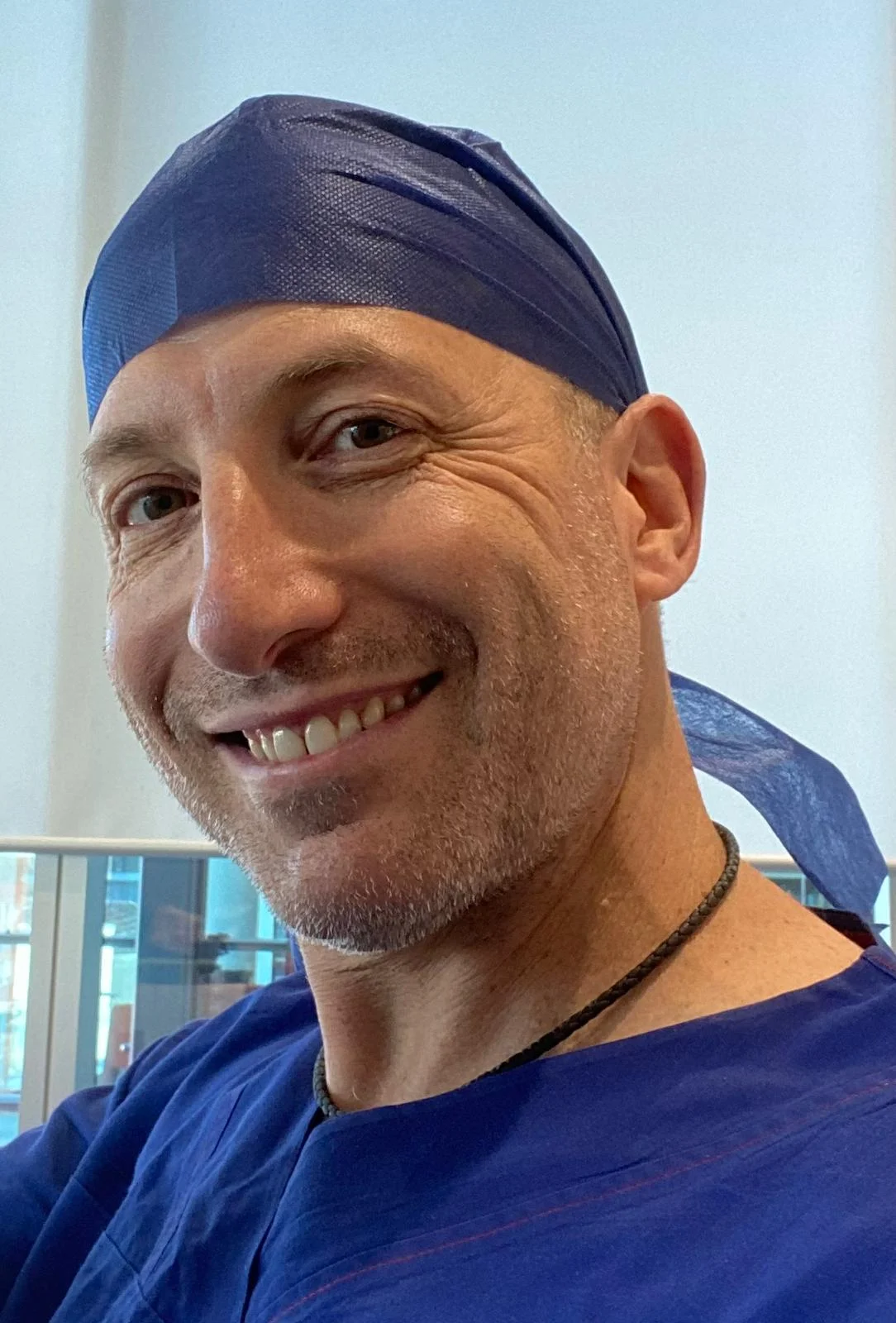
Skin cancer is one of the most common types of cancer in the world, and early detection plays a major role in successful treatment. While many people are aware of visible warning signs like unusual moles or changing skin spots, several hidden indicators are not easily noticeable without medical expertise. This is where a skin cancer Doctor becomes essential. These specialists are trained to detect subtle changes in the skin that most people would overlook.
In this article, we explore five hidden signs of skin cancer that only a trained doctor can identify during a professional skin examination.
1. Subtle Changes in Mole Texture
Most people monitor moles for changes in size, shape, or color. However, one of the earliest hidden signs of skin cancer is a change in texture. A mole may become slightly rough, scaly, or raised in a way that is not visually obvious.
A skin cancer Doctor uses magnification tools and dermatoscopes to examine the skin closely. Under this detailed inspection, even minor surface irregularities become noticeable. These texture changes can sometimes indicate early melanoma or other skin cancer types before visible symptoms appear.
Without a professional examination, these changes are often mistaken for harmless skin dryness or irritation.
2. Micro Blood Vessel Patterns Under the Skin
One of the most advanced diagnostic clues lies beneath the surface of the skin—abnormal blood vessel patterns. These are not visible to the naked eye.
A skin cancer Doctor can detect unusual vascular structures using dermatoscopy. Cancerous lesions often develop irregular or asymmetrical blood vessels that supply abnormal cell growth.
These patterns can appear in early stages of basal cell carcinoma or squamous cell carcinoma. Since they are microscopic, only trained specialists can recognize their significance and determine whether further testing is needed.
3. Invisible Pigment Spread Beyond the Mole
Another hidden sign involves pigment spread that extends beyond the visible border of a mole or lesion. While the skin may look normal externally, pigment cells can slowly spread into surrounding tissue.
A skin cancer Doctor can identify this early spread using specialized imaging and light-based diagnostic tools. This condition may indicate early melanoma development, even when the mole itself appears unchanged to the patient.
In many cases, patients assume everything is normal because there are no visible changes, making this a critical reason for regular skin check-ups.
4. Changes in Skin Under UV Light Examination
Some skin abnormalities become visible only under UV or polarized light examination. These tools reveal pigmentation changes and structural irregularities that are otherwise hidden.
During a clinical evaluation, a skin cancer Doctor may use advanced imaging to detect areas of concern beneath the skin surface. This includes early cell mutation patterns or uneven melanin distribution.
These subtle changes are often completely invisible in normal lighting conditions, which is why self-examination alone is not always reliable for early detection.
5. Non-Healing or “Quiet” Skin Lesions
A particularly dangerous hidden sign is a skin lesion that does not heal properly but also does not appear alarming. It may not bleed, itch, or grow significantly, which often leads patients to ignore it.
However, a skin cancer Doctor knows that slow-healing patches—especially those lasting more than a few weeks—can be an early sign of skin cancer. These lesions may look like small cuts, mild irritation, or dry patches that never fully disappear.
In many cases, basal cell carcinoma begins this way, progressing silently over time without dramatic symptoms.
Why Hidden Signs Matter
Skin cancer is most treatable in its early stages, but the challenge lies in detection. Many early warning signs are subtle and require clinical tools and expertise to identify. This is why consulting a skin cancer Doctor regularly is so important, especially for individuals with high sun exposure, fair skin, or a history of skin conditions.
Doctors use a combination of visual examination, dermatoscopy, imaging technology, and sometimes biopsy to confirm suspicious findings. These tools allow them to detect cancer long before it becomes visible or symptomatic.
When Should You See a Skin Cancer Doctor?
You should consider visiting a specialist if you notice:
- Any mole or spot changing in texture
- Persistent skin irritation or patch
- New lesions that don’t heal
- Family history of skin cancer
- Frequent sun exposure without protection
Even if your skin appears normal, routine check-ups can help detect hidden issues early.
Final Thoughts
Skin cancer does not always present obvious warning signs. Some of the most important indicators are hidden beneath the surface and can only be detected by a trained skin cancer Doctor using specialized tools and expertise.
Understanding these subtle signs can make a life-saving difference. Regular skin evaluations and early medical attention remain the most effective ways to ensure healthy skin and timely treatment if needed.
-
Tags: