
Ask anyone in the UAE what a good cup of Karak Tea should taste like, and you’ll get a very specific answer. Strong, spiced, slightly sweet, with that thick, milky body that somehow feels like comfort in a cup. But here’s the thing most people don’t think about — a great Karak isn’t really about the milk, the sugar, or even the spices. It all starts with the black tea leaves themselves. Get that base wrong, and no amount of cardamom or condensed milk can fix it.
If you’ve ever made Karak at home and felt like it just wasn’t hitting the way it does at your favourite roadside stall, there’s a good chance the tea you’re using is the problem. Here’s what actually matters when picking black tea for Karak.
Strength Over Subtlety
Karak Tea is meant to be bold. Unlike a delicate Green Tea or a floral white tea that’s brewed to highlight subtle, nuanced notes, Karak needs a black tea that can hold its own against milk, sugar, and spices without disappearing. Look for full-bodied black teas — the kind that turn a deep reddish-brown almost instantly when steeped. If your tea leaves produce a light, pale liquor, they’re simply not built for Karak.
This is one of the reasons loose leaf black tea tends to outperform generic tea bags for Karak. Loose leaves generally carry more essential oils and a fuller flavour profile, which matters a lot when you’re boiling tea for several minutes with milk and spices, as proper Karak preparation demands.
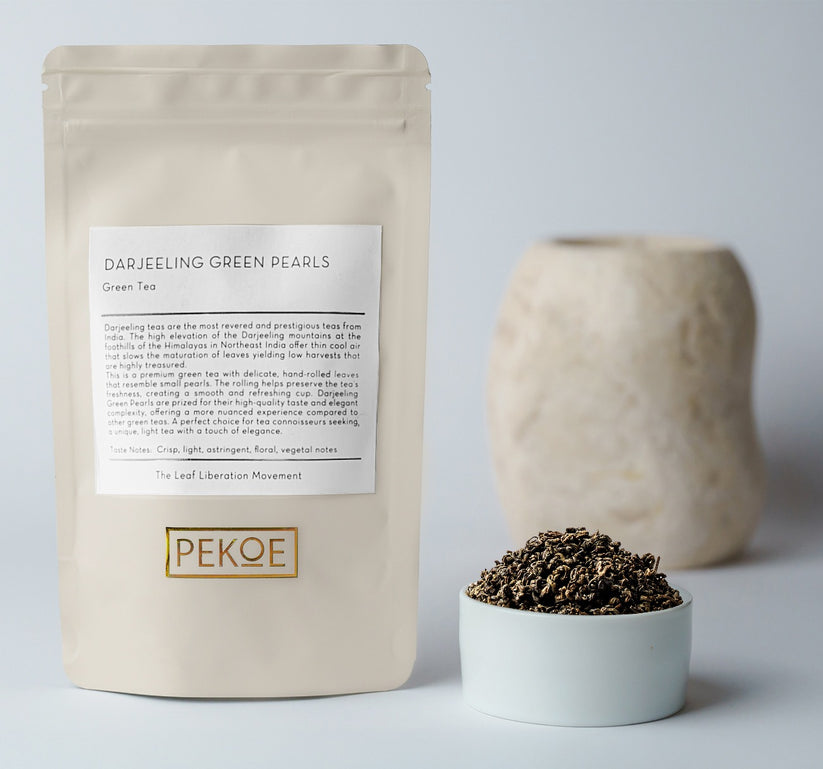
Origin Matters More Than People Realize
Not all black tea is grown or processed the same way, and origin has a real impact on how it performs in a Karak brew. Assam-style black teas, for instance, are known for their malty, brisk character — exactly the kind of robustness that stands up well to boiling and milk. Sri Lankan black teas can also work beautifully, often bringing a slightly brighter, more rounded flavour.
A tea shop that actually understands this distinction makes the search a lot easier. Pekoe (mypekoe.com), a Dubai-based tea shop, sources its black teas from origins known for exactly this kind of full-bodied character, alongside a wider collection that spans Matcha, Green Tea, oolong, and tisanes. Having that range in one place is genuinely useful, because it means you’re not left guessing which black tea in a random supermarket aisle is actually strong enough for a proper Karak.
Check How the Tea Was Processed
Black tea processing affects flavour more than most people expect. Fully oxidized, well-rolled leaves tend to release their flavour faster and more intensely — ideal for Karak, where the tea is often boiled rather than gently steeped. Overly processed or low-grade black tea, on the other hand, can turn bitter and flat under that kind of heat, leaving you with a Karak that tastes harsh instead of rich.
If you’re buying from an online tea shop, look for details about where the tea comes from and how it’s processed. A brand that’s transparent about sourcing — the way Pekoe outlines origin details for its teas, from Japan to India to China — is usually a safer bet than a generic, unlabeled black tea blend.
Freshness Changes Everything
Black tea doesn’t last forever, and stale leaves are one of the most common reasons a homemade Karak falls flat. Old tea loses its essential oils over time, which means less aroma and a weaker, duller brew no matter how long you boil it or how much spice you add. Buying from a shop that turns over stock regularly and stores tea properly — ideally in sealed tins or pouches rather than loose, exposed packaging — makes a noticeable difference in the final cup.
This is worth keeping in mind even if you’re branching out into other teas at the same time. Whether it’s black tea for your Karak, a Green Tea for a lighter afternoon cup, or Matcha for your morning routine, freshness is the one factor that determines whether all that sourcing and origin detail actually translates into flavour.
Pairing It With the Right Spices
Once you’ve got a solid black tea base, the spices do the rest of the work. Cardamom is non-negotiable for most Karak lovers, but saffron, cloves, ginger, and even a touch of cinnamon can round out the flavour depending on personal preference. The key is balance — a strong black tea base means you don’t need to overload on spices to get a flavourful cup, which actually makes for a smoother, less overwhelming Karak.
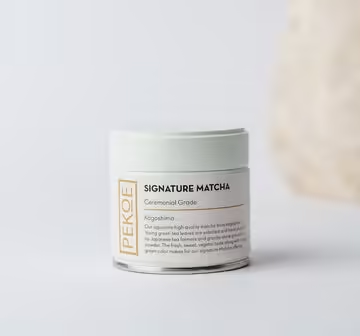
Karak as Part of a Balanced Tea Routine
It’s worth saying that a good Karak doesn’t have to sit in opposition to Healthy Drinks. Plenty of people are cutting back on sugar or dairy these days, and one simple way to do that without giving up Karak entirely is to alternate it with lighter options through the day — a cup of Green Tea in the morning, Matcha in the afternoon, and Karak as more of an evening treat rather than an all-day habit. Having a tea shop that stocks all of these under one roof, the way Pekoe does, makes that kind of balance a lot easier to maintain without having to shop around.
Final Thoughts
A great Karak starts long before the milk hits the pan — it starts with choosing the right black tea. Look for bold, full-bodied leaves, pay attention to origin and processing, and never underestimate how much freshness affects the final cup. For anyone in Dubai looking to source black tea (or explore Matcha and Green Tea alongside it), Pekoe (mypekoe.com) is a solid place to start, offering the kind of range and sourcing transparency that makes brewing a properly strong Karak a lot less of a guessing game.
For more information
TikTok: mypekoe
Instagram: mypekoe
Facebook: mypekoe

