
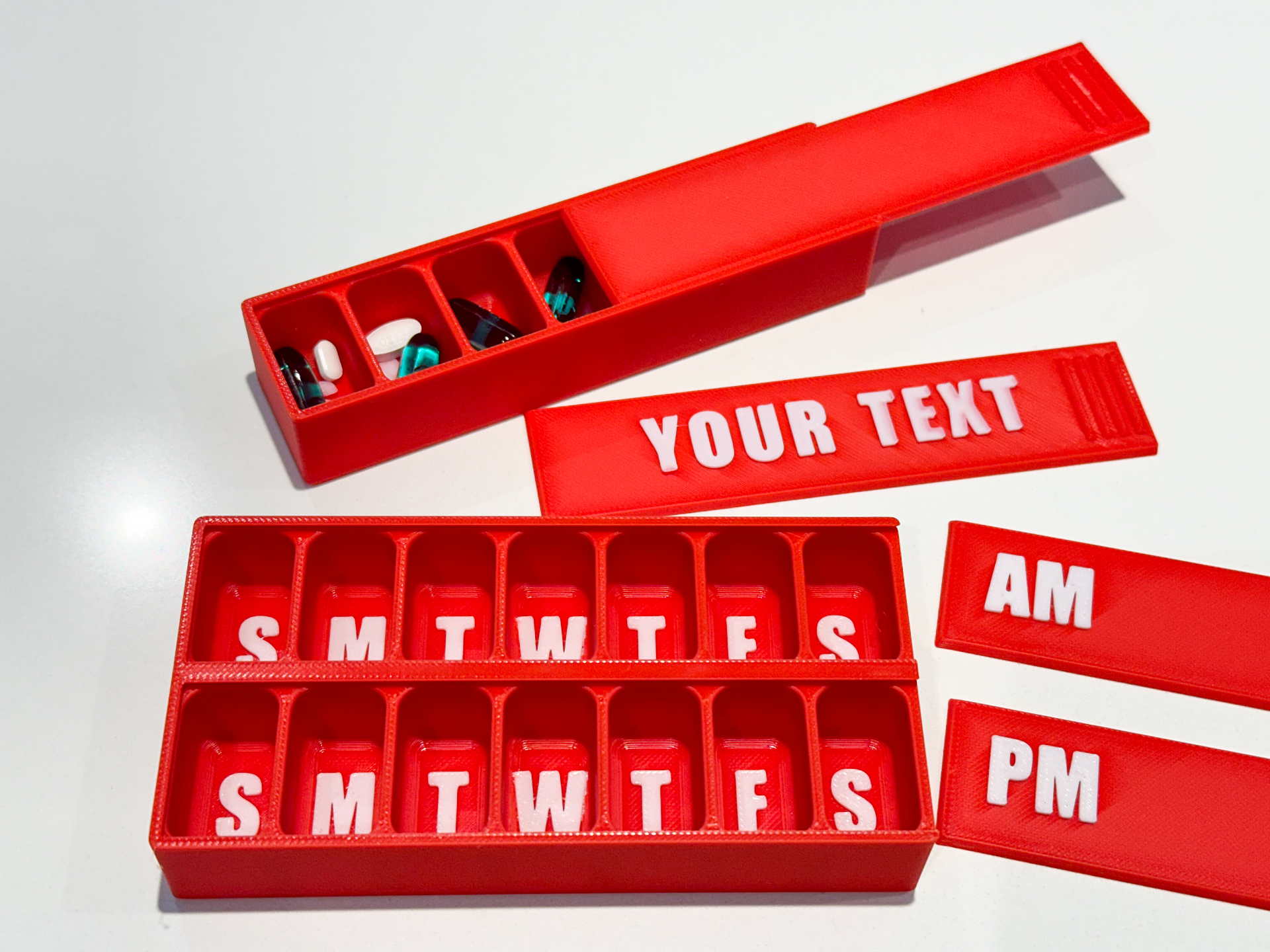
Medicine packaging has become an important part of the healthcare industry. Consumers now expect more than simple protection for medicines. They want safety, comfort, clear details, and eco-friendly solutions. Packaging strongly influences trust and buying decisions in today’s market.
Healthcare brands continue to study consumer behavior because packaging affects patient experience directly. Modern packaging designs now focus on convenience, safety, and better communication with users.
Why Consumers Pay Close Attention to Medicine Packaging
Consumers today carefully observe medicine packaging before making a purchase. Packaging creates the first impression of a healthcare product. People often judge product quality by the way it looks and feels. Clean and professional packaging builds trust quickly.
Safety remains one of the biggest concerns among buyers. Consumers want packaging that protects medicines from air, moisture, and outside contamination. Strong seals and secure lids make people feel more confident about using a product. Tamper-resistant designs also reduce fear about fake or damaged medicines.
Clear information matters just as much as safety. Buyers prefer packages that explain dosage, expiry dates, and storage instructions in a simple way. Small text and confusing layouts often frustrate consumers. Because of this, many healthcare companies now use larger fonts and better spacing.
Modern lifestyles also influence packaging choices. Busy consumers want products that are easy to carry and simple to open. Compact containers and organized blister packs improve convenience during travel and daily use. Many people now manage several medicines at once, so practical packaging becomes very helpful.
Brand reputation also connects strongly with packaging quality. Consumers often trust brands that invest in clean and reliable designs. Poor packaging may create doubts about the medicine itself, even if the product is effective. This shows how packaging supports customer confidence.
Healthcare companies continue improving packaging because consumer expectations keep changing. People now want packaging that combines safety, convenience, and attractive presentation in one complete solution.
The Rising Need for User-Friendly Packaging Solutions
Easy-to-use packaging has become a major demand in the pharmaceutical industry. Consumers no longer accept difficult lids or hard-to-read labels. They expect smooth and stress-free experiences while handling medicines.
Older adults especially need packaging that supports daily convenience. Many struggle with tight caps or small printed instructions. Companies now create packaging with softer grips, simple opening systems, and larger text sizes. These improvements help older users manage medicines independently.
Parents also prefer packaging that protects children while remaining easy for adults to use. Child-resistant caps continue to gain popularity because they improve household safety. At the same time, consumers still expect quick and comfortable access to medicines.
Organized medicine packaging also supports better treatment habits. Blister packs with marked dosage times help patients follow schedules correctly. This reduces confusion and improves medication consistency. Healthcare professionals often recommend these systems because they lower the risk of missed doses.
Several packaging features attract modern buyers:
- Lightweight containers for easy carrying
- Large readable labels for quick understanding
- Easy-open seals that reduce frustration
- Color-coded systems for fast identification
- Compact designs for travel convenience
Technology also helps improve user-friendly packaging. Some medicine packs now include reminder systems and digital instructions. These features help consumers manage treatments more effectively.
Pharmaceutical companies understand that difficult packaging creates negative experiences. Because of this, many brands now test packaging designs with real users before launching products. Consumer feedback helps improve functionality and overall satisfaction.
User-friendly packaging is no longer an extra feature. It has become an essential part of modern healthcare products.
How Sustainability Shapes Consumer Buying Choices
Environmental awareness continues to influence healthcare markets around the world. Consumers now expect pharmaceutical companies to reduce waste and support eco-friendly practices. Sustainable packaging has become an important factor in buying decisions.
Plastic waste remains a serious concern for many people. As a result, consumers often prefer recyclable or biodegradable medicine packaging. Many healthcare brands now use paper-based materials, eco-friendly inks, and reduced plastic designs to meet these expectations.
Younger consumers strongly support sustainable packaging solutions. They often research company practices before purchasing healthcare products. Brands that show environmental responsibility usually build stronger customer loyalty over time.
Minimalist packaging has also become more popular. Consumers appreciate designs that avoid unnecessary materials while still protecting the medicine properly. Smaller and lighter packaging solutions also reduce transportation waste and storage space.
Several sustainability trends continue growing in the pharmaceutical industry:
- Recyclable medicine containers
- Reduced use of plastic materials
- Eco-friendly printing methods
- Refillable packaging systems
- Simple designs with less waste
Although sustainability matters greatly, consumers still expect high safety standards. They do not want environmentally friendly packaging to weaken product protection. Therefore, companies must carefully balance safety with sustainability.
Government regulations also encourage greener packaging practices. Many healthcare manufacturers now invest in research to create safer and more sustainable packaging solutions. These efforts help companies stay competitive while meeting changing consumer expectations.
Sustainable medicine packaging now represents long-term market direction rather than a temporary trend. Consumers increasingly support brands that care about both health and the environment.
The Impact of Visual Design on Consumer Trust
Visual presentation plays a strong role in medicine packaging today. Consumers often notice packaging appearance before reading product details. Attractive and organized designs create positive impressions and encourage trust.
Simple packaging layouts usually perform better than crowded designs. Consumers prefer clean labels with balanced spacing and clear information. Easy readability helps buyers understand product details quickly without confusion.
Colors also influence consumer emotions and buying behavior. Soft and calm colors often create feelings of safety and comfort. Bright or harsh designs may appear less professional in healthcare settings. Pharmaceutical companies carefully study color psychology to improve packaging appeal.
Brand consistency matters as well. Consumers remember familiar packaging designs and logos. Consistent presentation builds recognition and strengthens long-term customer relationships. Trusted brands often maintain similar design styles across multiple products.
Packaging appearance also affects shelf visibility in stores. Consumers compare several products before making decisions. A clean and professional package can attract attention within seconds. This quick visual impact often shapes purchasing behavior.
Online shopping has increased the importance of visual packaging even more. Digital buyers rely heavily on product images when selecting medicines. Therefore, companies now design packaging that looks effective both in physical stores and online platforms.
Modern healthcare packaging must balance beauty with professionalism. Consumers want products that look reliable, safe, and easy to understand. Strong visual design supports both brand trust and better customer experiences.
Why Clear Information Builds Stronger Consumer Confidence
Consumers want honest and simple communication from healthcare brands. Medicine packaging now serves as an important source of product information. Clear details help people use medicines safely and confidently.
Buyers often check ingredients before purchasing healthcare products. Many people look for allergy warnings, side effects, and dosage instructions. Packaging that explains these details clearly helps consumers make informed decisions.
Readable labels improve healthcare experiences significantly. Small fonts and complicated medical language often confuse buyers. Companies now use simple wording and better layouts to improve understanding. This approach supports safer medicine use.
Transparency also increases trust between brands and consumers. People appreciate packaging that explains product testing, certifications, and quality standards openly. Honest communication creates stronger emotional connections with customers.
Digital tools now support information sharing as well. QR codes on medicine packaging allow users to access additional details instantly. Consumers can learn about product safety, storage methods, and usage guidelines through their smartphones.
The growing demand for Printed Pill Boxes also reflects consumer interest in organized and clearly labeled packaging solutions. People appreciate systems that simplify daily medicine routines and improve convenience at home or during travel.
Healthcare authorities continue enforcing strict labeling standards worldwide. Pharmaceutical companies must provide accurate and understandable information to protect consumers. Failure to do so may damage both reputation and customer trust.
Clear packaging communication has become a major competitive advantage in modern healthcare markets. Consumers value honesty, simplicity, and easy access to important information.
Personalized Packaging Is Becoming More Popular
Consumers now prefer healthcare products that match their personal needs. Personalized medicine packaging has become more common because it improves convenience and patient experience.
Patients managing long-term treatments often need organized medicine systems. Customized dosage packs help reduce mistakes and support regular medication use. These solutions make healthcare routines easier to manage.
Different consumer groups also require different packaging styles. Children need safe and colorful packaging, while older adults prefer larger text and simple opening systems. Personalized designs help companies meet these unique needs more effectively.
Technology continues driving personalization trends forward. Smart packaging systems now provide reminders for dosage times and refill schedules. Some packages also connect with mobile applications to improve medication tracking.
Language customization is another growing trend. Multilingual packaging helps consumers understand medicine instructions more clearly. This feature becomes especially useful in diverse healthcare markets.
Subscription healthcare services have also influenced packaging innovation. Monthly medicine kits often include personalized labeling and organized compartments. Consumers appreciate these systems because they simplify treatment management.
Personalized packaging creates stronger relationships between healthcare brands and consumers. People feel valued when products address their individual challenges and preferences. This emotional connection often improves brand loyalty.
As healthcare technology grows, personalized packaging solutions will likely expand even further. Companies that invest in customization may achieve stronger consumer trust and long-term market success.
The Future of Consumer Expectations in Medicine Packaging
Consumer expectations continue evolving across the healthcare industry. Packaging is no longer viewed as simple product protection. People now expect convenience, sustainability, safety, and technology in one complete package.
Future consumers will likely demand smarter packaging systems. Digital tracking, refill reminders, and interactive features may become common in everyday healthcare products. These innovations can improve both convenience and treatment accuracy.
Environmental responsibility will also remain a major focus. Consumers increasingly support companies that reduce waste and use sustainable materials. Pharmaceutical brands must continue balancing eco-friendly practices with strong product protection.
Accessibility will become even more important in the future. Packaging should support all age groups and physical abilities equally. Inclusive design will help companies serve wider consumer markets successfully.
Healthcare competition continues increasing worldwide. Companies that understand changing consumer preferences can adapt more quickly. Brands that ignore packaging expectations may struggle to maintain customer loyalty.
Trust will remain one of the strongest factors in medicine packaging. Consumers want products that feel safe, reliable, and easy to use. Packaging plays a direct role in creating this confidence.
Medicine packaging now represents healthcare quality and brand responsibility. Companies that invest in innovation, clarity, and user experience will likely lead future pharmaceutical markets successfully.
Final Thoughts
Consumer preferences in medicine packaging continue to evolve with changing healthcare needs and modern lifestyles. People now expect packaging that offers safety, convenience, sustainability, and clear communication at the same time. Simple designs, easy-to-read labels, and secure packaging solutions strongly influence buying decisions and customer trust.
Pharmaceutical companies that focus on user experience are more likely to build long-term loyalty. Consumers appreciate brands that understand their daily challenges and create packaging that improves comfort and accessibility. At the same time, environmentally friendly practices and smart packaging technologies are shaping the future of the healthcare industry.
As competition grows, medicine packaging will remain an important factor in market success. Brands that combine innovation, transparency, and practical design can create stronger connections with consumers and improve overall patient satisfaction.
Source Link: https://ibexpackaging.com/custom-pill-packaging-boxes/

