
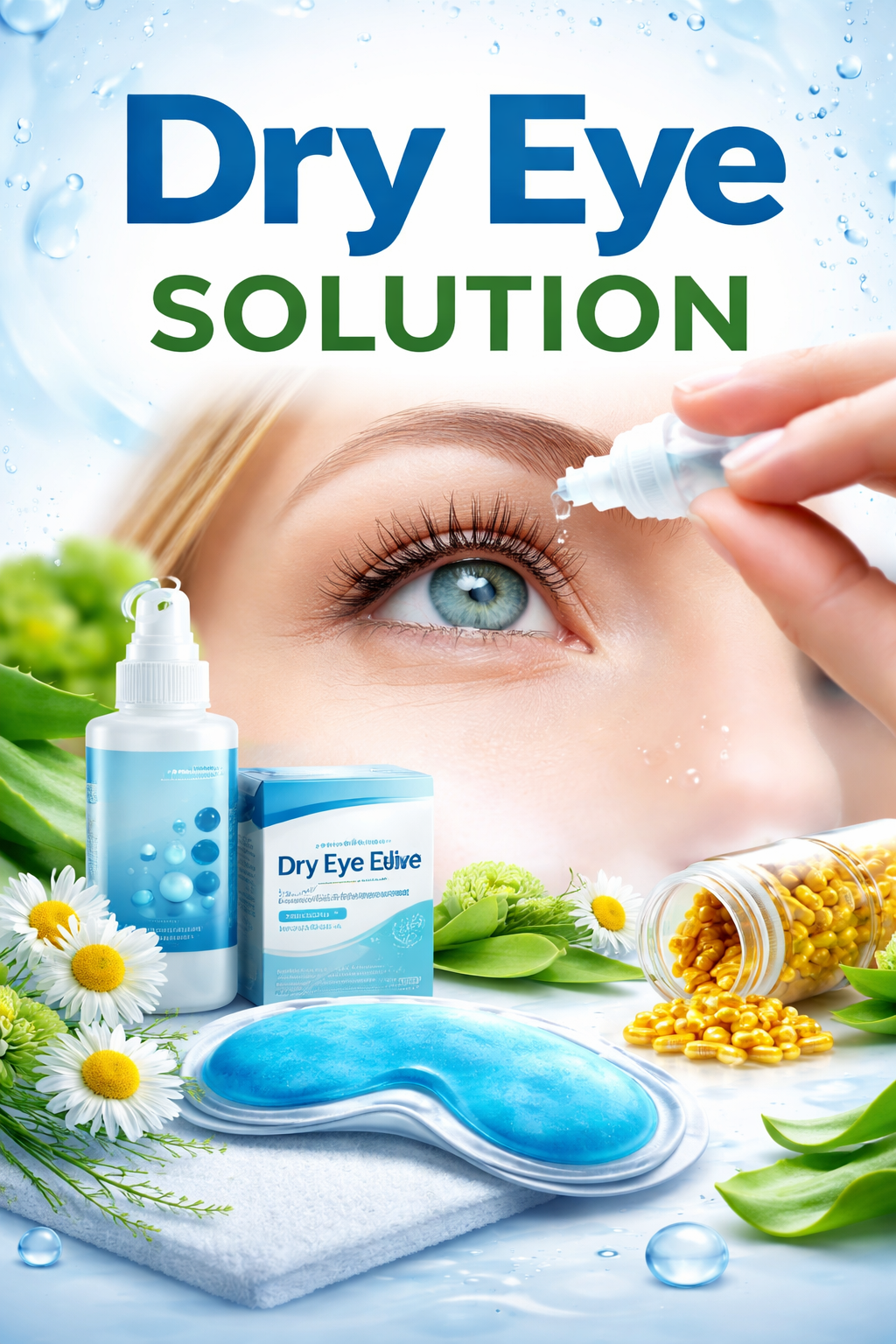
There is a quiet revolution happening in eye care, one that has shifted the narrative of dry eye from a surface-level irritation to a deeper, gland-driven disorder. For years, dry eye was treated as a simple lack of tears, a condition to be managed with artificial lubricants and lifestyle tweaks. Today, clinicians recognize a more complex story, one in which the microscopic structures within the eyelids play a decisive role in ocular comfort and visual clarity. At the center of this transformation lies Meibomian Gland Dysfunction (MGD).
Understanding the Architecture of the Tear Film
To appreciate the significance of MGD, it is essential to understand the tear film. This thin yet sophisticated layer consists of three components: the aqueous layer (water), the mucin layer (which helps tears spread evenly), and the lipid layer (oil). The lipid layer, produced by the meibomian glands, prevents rapid evaporation of tears.
When these glands fail to function properly, the tear film destabilizes. The result is not merely dryness, but a cascade of symptoms including irritation, burning, fluctuating vision, and even inflammation. This is where modern approaches to the treatment of dry eyes begin to diverge from traditional methods.
Meibomian Gland Dysfunction: The Hidden Driver
MGD occurs when the meibomian glands become blocked or produce poor-quality oil. This dysfunction leads to increased tear evaporation, even if tear production itself remains normal. In fact, a significant proportion of dry eye cases today are classified as evaporative dry eye, with MGD as the primary cause.
Historically, this condition was underdiagnosed. Patients were often prescribed lubricating drops without addressing the underlying gland dysfunction. However, advancements in diagnostic technologies, such as meibography and tear film analysis, have made it possible to visualize gland structure and function in detail. This has fundamentally changed clinical decision-making.
Shifting from Symptom Relief to Root-Cause Treatment
Modern ophthalmology is moving away from a one-size-fits-all approach. Instead of merely alleviating symptoms, practitioners now aim to restore gland function and stabilize the tear film. This paradigm shift has led to the development of targeted therapies that directly address MGD.
Warm compresses, once considered a basic home remedy, are now part of structured treatment protocols. When applied correctly, heat helps liquefy hardened meibum (oil), allowing it to flow more freely. However, clinical-grade thermal pulsation devices have taken this concept further, delivering controlled heat and pressure to effectively clear gland blockages.
These innovations represent a more sophisticated dry eye solution, one that aligns with the pathophysiology of the condition rather than masking its symptoms.
The Role of Inflammation in MGD
Another critical insight shaping modern treatment is the role of inflammation. MGD is not merely a mechanical blockage; it is often accompanied by inflammatory processes that further compromise gland function.
As a result, anti-inflammatory therapies have become a cornerstone of treatment. Topical medications, including corticosteroids and immunomodulators, are used to reduce inflammation and improve gland performance. Nutritional interventions, particularly omega-3 fatty acid supplementation, have also shown promise in enhancing the quality of meibomian secretions.
This integrative approach reflects a deeper understanding of the disease, where multiple pathways are addressed simultaneously to achieve optimal outcomes.
Technology-Driven Innovations in Treatment
The evolution of MGD management has been significantly accelerated by technological advancements. Devices such as intense pulsed light (IPL) therapy have gained traction for their ability to reduce inflammation and improve gland function. Originally used in dermatology, IPL has been adapted for ophthalmic use, offering a non-invasive option for patients with chronic MGD.
Similarly, LipiFlow and other thermal pulsation systems provide in-office treatments that deliver consistent and measurable results. These technologies are not merely adjuncts; they are redefining the standard of care in the treatment of dry eyes.
Personalized Medicine in Dry Eye Care
One of the most notable shifts in modern treatment approaches is the move toward personalization. Dry eye is no longer treated as a uniform condition. Instead, clinicians assess individual patient profiles, considering factors such as gland structure, tear composition, lifestyle, and environmental exposure.
This personalized approach ensures that each patient receives a tailored dry eye solution. For instance, a patient with predominantly evaporative dry eye due to MGD will benefit more from gland-targeted therapies than from aqueous tear substitutes alone.
Lifestyle and Environmental Considerations
While clinical interventions are crucial, lifestyle factors also play a significant role in managing MGD. Prolonged screen time, reduced blinking, and exposure to air-conditioned environments can exacerbate symptoms. Modern treatment plans often include behavioral modifications, such as blink exercises and ergonomic adjustments.
Diet is another important factor. A balanced intake of essential fatty acids supports gland function and contributes to overall ocular health. These non-invasive strategies complement medical treatments, creating a holistic framework for managing dry eye.
The Psychological Dimension of Dry Eye
Chronic dry eye is not merely a physical condition; it can significantly impact quality of life. Persistent discomfort, visual disturbances, and the need for ongoing treatment can lead to frustration and fatigue. Recognizing this, modern care models emphasize patient education and engagement.
When patients understand the role of MGD in their condition, they are more likely to adhere to treatment protocols. This collaborative approach enhances outcomes and fosters a sense of control over the condition.
Future Directions in MGD Management
The future of dry eye treatment lies in continued innovation and deeper biological understanding. Research is ongoing into regenerative therapies, including stem cell approaches that may restore gland function. Advances in biomaterials may lead to more effective tear substitutes that mimic natural tear composition.
Artificial intelligence is also beginning to play a role in diagnosis and treatment planning, enabling more precise and predictive care models. These developments promise to further refine the treatment of dry eyes, making it more effective and accessible.
Conclusion
Meibomian Gland Dysfunction has fundamentally reshaped the landscape of dry eye treatment. What was once considered a minor inconvenience is now understood as a complex, multifactorial condition requiring targeted intervention. By focusing on gland function, inflammation, and personalized care, modern ophthalmology offers more than temporary relief, it provides sustainable solutions.
The evolution of the dry eye solution reflects a broader trend in medicine: a shift toward precision, integration, and patient-centered care. As research continues and technologies advance, the management of dry eye will become even more refined, offering hope and clarity to millions affected by this condition.
In this new era, treating dry eye is no longer about adding moisture, it is about restoring balance.
-
Tags:


