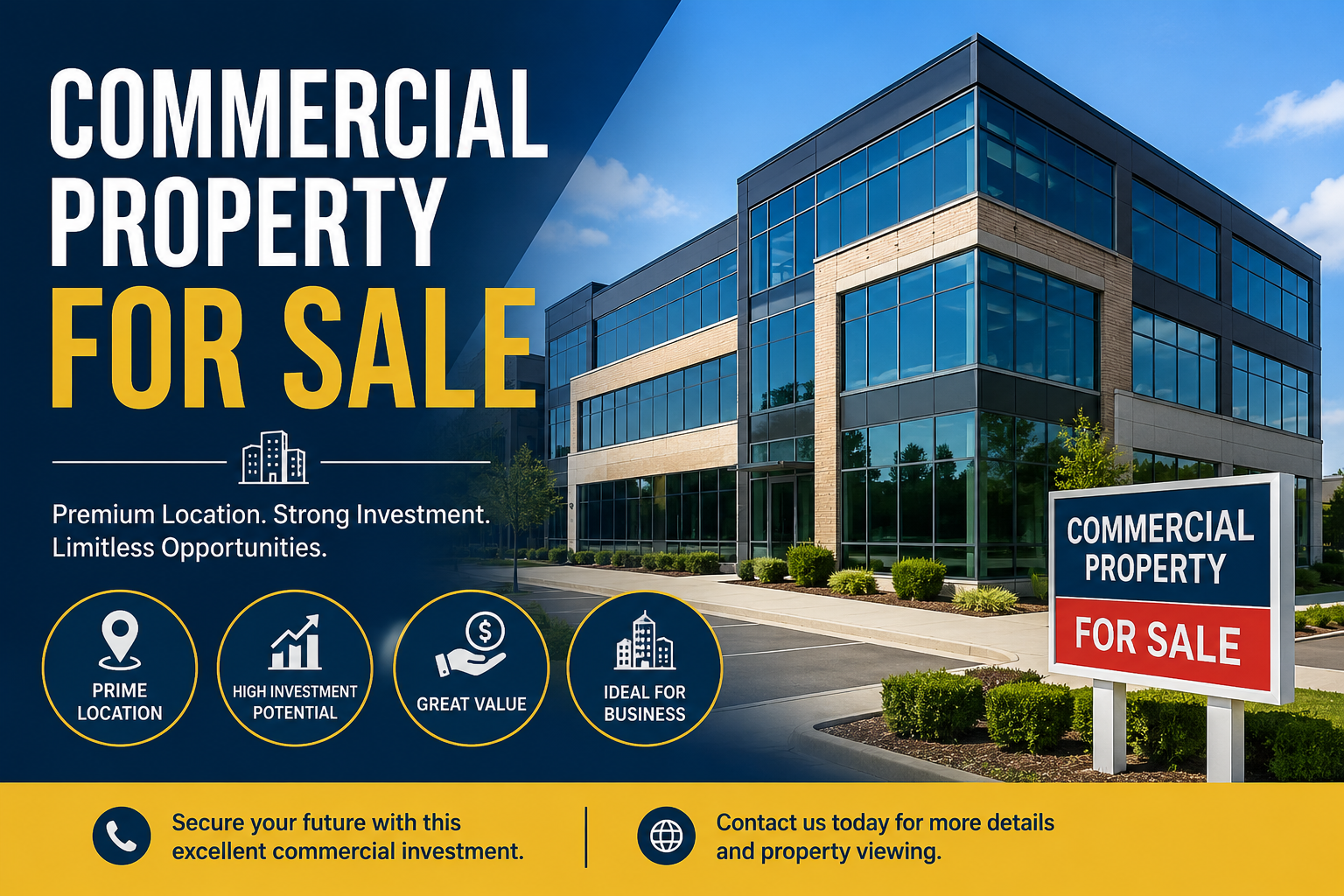
Buying commercial real estate is a major financial decision that can influence the future of a business or investment portfolio. Whether you plan to purchase an office, retail store, warehouse, industrial building, or rental property, careful research is necessary before making a commitment. The right property can support business growth, generate income, and provide long-term value. However, an unsuitable property may lead to high operating costs, legal challenges, or limited growth opportunities.
When reviewing a commercial property for sale, buyers should consider more than the asking price. Location, property condition, zoning rules, financing, market demand, and future development can all affect the value of the investment. Casper Properties can help buyers understand available options and evaluate important factors before moving forward.
Define Your Purpose for Buying
Before searching for commercial real estate, identify the main reason for the purchase. Your purpose will help determine the type, size, location, and features you need.
For example, a business owner may want a property for daily operations, while an investor may focus on rental income and long-term appreciation. A retail company may require a visible location with strong customer traffic, while a warehouse business may need loading areas and access to major transportation routes.
Ask yourself the following questions:
- Will the property be used for your own business?
- Do you plan to lease the space to tenants?
- Are you looking for regular rental income?
- Do you expect the property to increase in value?
- Will your business need more space in the future?
Clear goals can make it easier to compare properties and avoid purchasing a space that does not support your long-term plans.
Evaluate the Location
Location is one of the most important factors in commercial real estate. It can affect customer access, employee convenience, rental demand, property value, and future growth.
A retail property may benefit from high foot traffic, nearby businesses, and good visibility. An office building may need convenient parking and access to public transportation. Industrial properties may require proximity to highways, shipping routes, or distribution centers.
Before purchasing a commercial property for sale, research the surrounding area and consider:
- Traffic levels
- Parking availability
- Road access
- Nearby businesses
- Local population
- Safety and security
- Public transportation
- Planned developments
Visit the location at different times of the day. This can help you understand traffic patterns, customer activity, and possible access issues.
Set a Complete and Realistic Budget
The purchase price is only one part of the total cost. Commercial property ownership may include several ongoing and one-time expenses.
Your budget should account for:
- Property taxes
- Insurance
- Maintenance and repairs
- Utility costs
- Inspection fees
- Legal expenses
- Financing costs
- Renovation expenses
- Property management fees
Some properties may appear affordable but require major upgrades or expensive maintenance. A property with a higher purchase price may provide better long-term value if it is in good condition and located in a strong commercial area.
Casper Properties can assist buyers in comparing properties based on overall value rather than price alone.
Review the Property’s Physical Condition
A detailed property inspection is essential before completing a purchase. Commercial buildings may have structural, electrical, plumbing, roofing, or safety issues that are not visible during a standard visit.
Review the condition of:
The Building Structure
Check the foundation, walls, roof, floors, and exterior. Structural repairs can be costly and may affect business operations.
Electrical and Mechanical Systems
Confirm that the electrical system can support your equipment and daily operations. Review the heating, ventilation, air conditioning, and plumbing systems.
Safety and Accessibility Features
Commercial properties may need fire alarms, emergency exits, sprinkler systems, accessibility features, and other safety measures.
Maintenance Records
Ask for information about previous repairs, inspections, and renovations. A well-maintained building may reduce the risk of unexpected expenses.
Hiring a qualified property inspector can help identify potential concerns before you finalize the purchase.
Understand Zoning and Legal Requirements
Zoning laws determine how a property can be used. Before purchasing, confirm that the building is approved for your intended business activity.
For example, a property zoned for office use may not allow retail, manufacturing, or warehouse operations. You may also need permits for renovations, signs, parking changes, or specific business activities.
Review local requirements related to:
- Property use
- Building modifications
- Parking
- Signage
- Environmental regulations
- Business licensing
- Accessibility standards
Understanding these rules before purchasing can help prevent legal problems and unexpected costs.
Analyze Market Conditions
Commercial real estate values can change based on local economic conditions, business growth, interest rates, and demand. Research the current market before making an offer.
Consider:
- Average property prices
- Local vacancy rates
- Rental demand
- Recent property sales
- Business growth in the area
- Planned infrastructure projects
A growing area may offer strong future opportunities, while a location with high vacancy rates may involve more risk. Buyers should compare several properties to understand whether the asking price is reasonable.
Casper Properties can provide guidance during the property search and help buyers evaluate available opportunities.
Consider Income and Investment Potential
If you are purchasing commercial real estate as an investment, review the property’s ability to generate income. Examine current leases, tenant history, rental rates, and operating expenses.
Important questions include:
- Is the property currently occupied?
- How much rental income does it generate?
- Are the tenants reliable?
- When do leases expire?
- Who pays for maintenance and utilities?
- Are current rents competitive?
A property with stable tenants and long-term leases may provide consistent income. However, buyers should also consider vacancy risks and future repair costs.
When evaluating a commercial property for sale, calculate expected income after subtracting taxes, insurance, maintenance, financing, and other expenses.
Think About Future Growth
The property should support both current and future needs. If you plan to expand your business, consider whether the building has enough space for additional employees, equipment, inventory, or customer areas.
Look for features such as:
- Extra office or storage space
- Expandable land
- Flexible floor plans
- Additional parking
- Opportunities for future renovations
You should also research planned development in the surrounding area. New roads, residential communities, or commercial projects may increase demand and property value. However, new competitors or traffic changes could affect business operations.
Review Financing Options
Commercial property financing may be different from residential financing. Loan terms, interest rates, down payment requirements, and approval conditions can vary.
Before making an offer, compare financing options and understand:
- Required down payment
- Interest rate
- Loan term
- Monthly payment
- Closing costs
- Early repayment conditions
- Lender requirements
Obtain financial approval before beginning serious negotiations. This can help you understand your budget and strengthen your position when making an offer.
Compare Multiple Properties
Do not make a decision based on one property alone. Comparing several options can help you understand market prices and identify the best value.
Create a comparison list that includes:
- Purchase price
- Location
- Property size
- Building condition
- Operating expenses
- Parking availability
- Accessibility
- Income potential
- Renovation needs
- Future growth opportunities
The cheapest property may not always be the best investment. A property with better access, strong demand, and lower maintenance costs may provide greater value over time.
Work With Qualified Professionals
Commercial real estate transactions can involve complex financial, legal, and technical details. Professional guidance can help buyers identify risks and understand important documents.
Consider working with:
- Commercial real estate professionals
- Property inspectors
- Real estate attorneys
- Accountants
- Lenders
- Contractors
- Insurance specialists
Casper Properties can help buyers explore suitable properties and understand the key factors involved in making an informed decision.
Conclusion
Buying commercial property requires careful planning and detailed research. Buyers should define their goals, evaluate the location, establish a realistic budget, inspect the building, and review zoning requirements. Market conditions, financing options, income potential, and future growth should also be considered.
Before choosing a commercial property for sale, compare several options and evaluate the complete cost of ownership. The right property should meet current needs while supporting future business or investment goals.
With careful preparation and professional guidance from Casper Properties, buyers can make informed decisions and select commercial real estate that offers practical value and long-term potential.