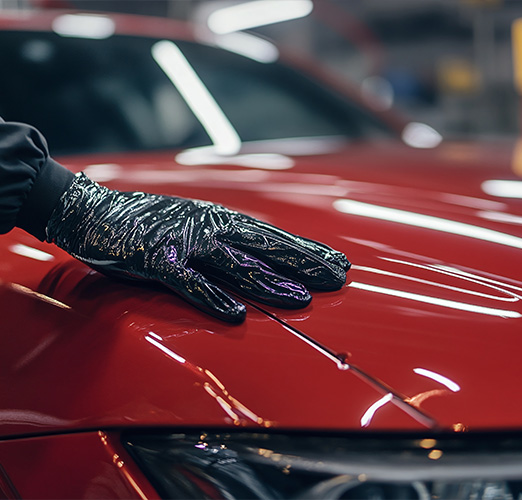
Understanding the Purpose of Tire Dressing
Tire dressing isn’t simply about making tires shiny.
A quality dressing can also help:
- Enhance the appearance of rubber
- Reduce fading caused by UV exposure
- Slow the drying process of tire surfaces
- Make future cleaning easier
- Restore a rich, even finish
When applied correctly, tire dressing complements a freshly detailed vehicle without making the tires appear overly glossy.
One mistake I see quite often is applying dressing to tires that haven’t been cleaned properly. Dirt trapped beneath the product prevents it from bonding evenly and usually results in streaks or uneven shine.
What Is Water-Based Tire Dressing?
Water-based tire dressings use water as their primary carrier rather than petroleum-based solvents.
They are known for producing:
- A natural satin finish
- Lower residue
- Easier application
- Easier cleanup
- Reduced sling when applied correctly
Because they penetrate the rubber without leaving an excessively oily surface, water-based products are popular among both enthusiasts and professional detailers.
Many people prefer the subtle, factory-fresh appearance they provide.
Advantages of Water-Based Tire Dressing
Water-based formulations offer several practical benefits.
Natural Appearance
Rather than creating an overly wet look, they usually leave tires with a clean, dark finish that looks well maintained.
Easier Maintenance
When it’s time to clean the tires again, water-based products generally wash away more easily than solvent-based alternatives.
Lower Risk of Sling
If allowed to dry properly, water-based dressings are less likely to sling onto paintwork while driving.
Compatible With Regular Maintenance
Vehicles that receive frequent detailing often benefit from water-based products because they can be reapplied without excessive buildup.
What Is Solvent-Based Tire Dressing?
Solvent-based tire dressings rely on petroleum-based carriers that create a more durable coating.
These products are often chosen when longer-lasting protection or a higher-gloss appearance is desired.
They typically provide:
- Deep shine
- Increased durability
- Better resistance to rain
- Longer-lasting visual results
Because of their durability, they’re commonly used on vehicles that spend significant time outdoors.
Advantages of Solvent-Based Tire Dressing
While opinions vary, solvent-based dressings offer several strengths.
Longer Lasting Finish
These products often remain visible after multiple drives and light rain.
Higher Gloss
Drivers who enjoy a wet-look finish frequently prefer solvent-based dressings.
Strong Water Resistance
The protective layer generally resists washing away more effectively than water-based alternatives.
This can reduce the frequency of reapplication.
Comparing Appearance
The biggest visual difference between the two types is usually the finish.
Water-based products often create:
- Satin appearance
- Factory-like finish
- Low gloss
Solvent-based products generally produce:
- Rich shine
- Darker appearance
- Glossier finish
Neither look is necessarily better—it depends entirely on personal preference.
Personally, I tend to favor a satin finish on most daily drivers because it complements modern paintwork without drawing excessive attention to the tires.
Durability Differences
Solvent-based dressings usually remain on the tire longer under harsh weather conditions.
Water-based products may require more frequent application, especially after heavy rain or repeated washing.
However, routine maintenance often minimizes this difference for owners who regularly detail their vehicles.
Insider Tip: Thin Applications Work Better
One of the best habits I’ve learned is applying multiple thin coats rather than one heavy layer.
A thin application spreads more evenly, reduces sling, and often produces a cleaner final appearance regardless of the product type.
Allow each coat to dry before applying another if additional coverage is desired.
Preparing Tires Before Applying Dressing
Regardless of which dressing you choose, preparation is essential.
Always begin by removing:
- Old dressing residue
- Dirt
- Brake dust
- Road grime
- Brown oxidation
A dedicated tire cleaner and stiff tire brush usually provide the best results.
Applying dressing to dirty rubber only hides contamination temporarily.
Application Methods
Several application tools work well.
Popular options include:
- Foam applicator pads
- Microfiber applicators
- Tire dressing sponges
Work the product evenly around the sidewall.
Pay attention to lettering and textured surfaces where excess product can accumulate.
Insider Tip: Wipe Off Excess Product
After allowing the dressing to absorb for several minutes, lightly wipe the tire with a clean microfiber towel.
This removes excess product while leaving an even finish.
It also significantly reduces the chance of product sling during the first drive.
Choosing the Right Dressing for Your Vehicle
Different vehicles often benefit from different finishes.
Daily Drivers
Water-based dressings typically provide a clean, understated appearance.
Show Vehicles
Some owners prefer solvent-based products for their deeper shine.
Off-Road Vehicles
Durability may become more important than appearance alone.
Classic Cars
A satin finish often complements vintage styling better than excessive gloss.
Selecting the right product depends more on personal goals than on strict rules.
Common Mistakes to Avoid
Several application mistakes reduce the effectiveness of tire dressing.
Applying to Wet Tires
Residual moisture prevents even bonding.
Using Too Much Product
Heavy applications often create sling and streaking.
Ignoring Tire Cleaning
Dressing should never replace proper cleaning.
Applying to Tread Surfaces
Product belongs only on the sidewall, never on the tire tread where traction is essential.
Avoiding these mistakes leads to cleaner, longer-lasting results.
According to experienced detailing professionals, proper tire preparation is often more important than the specific dressing selected. Similar detailing practices are discussed in this guide on car wash montrose ca, where consistent maintenance helps preserve the appearance of both tires and the rest of the vehicle.
Which Option Is Better?
There isn’t a universal winner.
Water-based tire dressing is generally ideal for owners who:
- Prefer a natural appearance
- Detail their vehicles regularly
- Want easier cleanup
- Minimize product buildup
Solvent-based dressing may be better suited for owners who:
- Prefer a high-gloss finish
- Want longer-lasting results
- Drive in wet conditions frequently
- Perform detailing less often
The best choice ultimately depends on your maintenance routine and personal preferences.
Final Thoughts
Choosing between water-based and solvent-based tire dressing isn’t about finding a perfect product—it’s about selecting one that matches your expectations and detailing habits. Both types can produce excellent results when applied correctly to clean, properly prepared tires.
Also read for more information so click here.
-
Tags: