
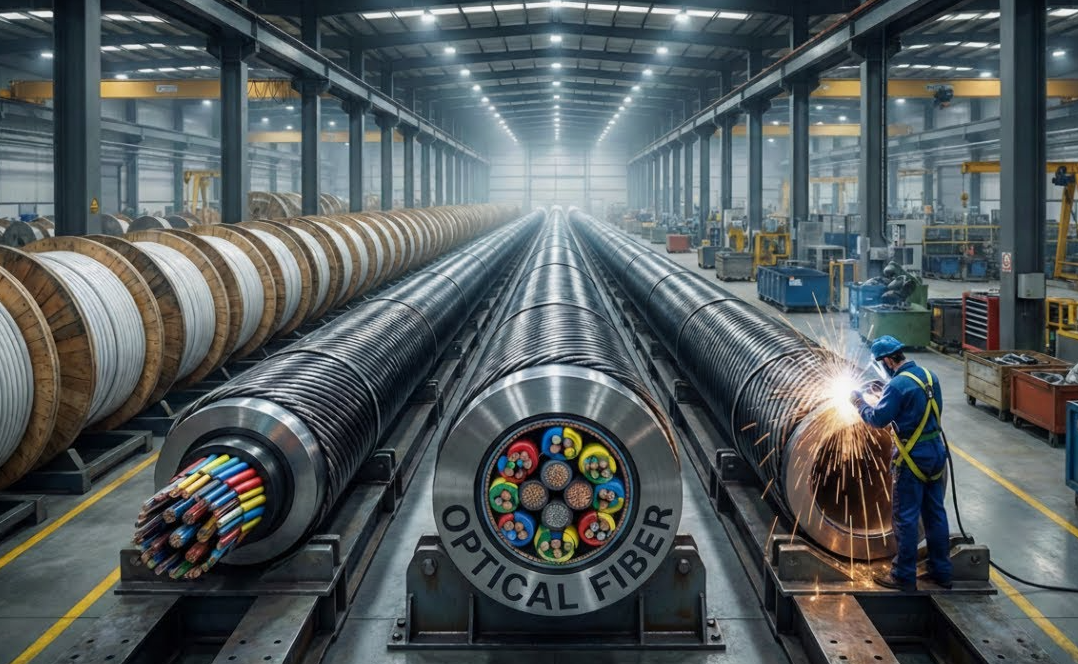
In today’s digital world, fast and reliable internet connectivity is essential for businesses, homes, and industries. High-speed fiber optics solutions have become the gold standard for modern communication networks, offering unmatched speed, stability, and bandwidth capacity. Whether for corporate data centers, smart homes, or large-scale enterprise networks, fiber optic technology delivers superior performance compared to traditional copper-based systems.
As demand for cloud computing, video conferencing, streaming, and data-heavy applications continues to grow, fiber optics provides the infrastructure needed to support seamless digital operations.
What Are High-Speed Fiber Optics Solutions?
High-speed fiber optics solutions refer to internet and communication systems that use light signals transmitted through thin strands of glass or plastic fibers. These fibers carry data at extremely high speeds over long distances with minimal signal loss.
Unlike traditional broadband, which relies on electrical signals through copper cables, fiber optics uses light, allowing for faster and more reliable data transmission.
Why Fiber Optics Is Important
Fiber optic technology is essential for modern connectivity due to its performance and reliability.
Ultra-Fast Internet Speeds
Fiber optics delivers significantly higher speeds than DSL or cable internet.
Reliable Connectivity
Fiber networks are less affected by weather, interference, or signal degradation.
High Bandwidth Capacity
Supports multiple devices and heavy data usage simultaneously without slowing down.
Low Latency
Ideal for real-time applications such as video conferencing, online gaming, and cloud services.
Types of Fiber Optic Solutions
Different fiber optic configurations are used depending on the application.
FTTH (Fiber to the Home)
Provides high-speed internet directly to residential properties.
FTTB (Fiber to the Building)
Delivers fiber connectivity to commercial buildings, with internal distribution systems.
FTTC (Fiber to the Curb)
Fiber runs close to the premises, with final connections using copper or other media.
Dedicated Fiber Internet
Offers private, high-speed connections for businesses requiring guaranteed performance.
Dark Fiber Networks
Unused fiber infrastructure leased by organizations for full control of their network.
Benefits of High-Speed Fiber Optics Solutions
Fiber optic technology offers numerous advantages over traditional internet systems.
Faster Data Transmission
Fiber optics can transmit data at speeds reaching gigabits per second.
Improved Network Stability
Reduced risk of downtime and signal interruption.
Scalability
Easily supports increasing bandwidth demands as businesses grow.
Enhanced Security
Fiber cables are more difficult to tap, making them more secure than copper lines.
Long-Distance Performance
Maintains signal strength over long distances without significant loss.
Applications of Fiber Optic Technology
High-speed fiber optics solutions are used across multiple industries.
Business and Enterprise Networks
Supports cloud computing, data centers, and internal communication systems.
Telecommunications
Forms the backbone of modern phone and internet networks.
Healthcare
Enables telemedicine, digital imaging, and real-time patient data sharing.
Education
Supports e-learning platforms, virtual classrooms, and research networks.
Financial Institutions
Ensures secure, high-speed transactions and data processing.
Smart Cities
Connects IoT devices, traffic systems, and public infrastructure.
Fiber Optics in Modern Businesses
Businesses increasingly rely on fiber optics for daily operations.
Cloud-Based Applications
Fiber ensures smooth access to cloud storage and software platforms.
Video Conferencing
High-speed connectivity eliminates lag and improves communication quality.
Data Transfer
Large files can be uploaded and downloaded quickly.
Remote Work Support
Reliable internet enables seamless remote work environments.
Installation of Fiber Optic Networks
Professional installation is critical for performance and reliability.
Site Survey
Technicians assess infrastructure requirements and network layout.
Cable Installation
Fiber cables are carefully installed underground, overhead, or within buildings.
Splicing and Termination
Fibers are joined and connected using specialized equipment.
Testing and Optimization
Networks are tested for speed, signal strength, and reliability.
Challenges in Fiber Optic Deployment
While fiber optics offers many advantages, installation can involve challenges.
High Initial Cost
Infrastructure installation can be expensive compared to traditional systems.
Complex Installation
Requires skilled technicians and specialized equipment.
Geographic Limitations
Remote or difficult terrains may require additional infrastructure work.
Future of High-Speed Fiber Optics
Fiber optics continues to evolve with advancing technology.
5G Integration
Fiber networks support the backbone of 5G wireless systems.
Increased Global Coverage
Expansion of fiber networks in rural and urban areas.
Higher Speed Capabilities
Future systems will support even greater data transmission rates.
Smart Infrastructure Growth
Fiber will continue enabling IoT and smart city development.
Choosing the Right Fiber Optic Solution
When selecting high-speed fiber optics solutions, consider:
- Required internet speed
- Number of connected users
- Type of applications used
- Budget and infrastructure needs
- Scalability for future growth
- Service provider reliability
A well-planned fiber solution ensures long-term performance and efficiency.
Maintenance of Fiber Optic Networks
Fiber optic systems require minimal but important maintenance.
- Regular inspection of cables and connectors
- Monitoring network performance
- Protecting cables from physical damage
- Updating hardware when needed
- Ensuring proper environmental protection
Proper maintenance ensures consistent performance and longevity.
Conclusion
High-speed fiber optics solutions are transforming the way individuals and businesses connect to the digital world. With ultra-fast speeds, high reliability, and scalable infrastructure, fiber optics has become the backbone of modern communication systems.
From homes and offices to large enterprises and smart cities, fiber optic technology delivers the performance needed to support today’s data-driven demands. By investing in fiber-based networks, users can ensure faster connectivity, improved productivity, and future-ready digital infrastructure.

