
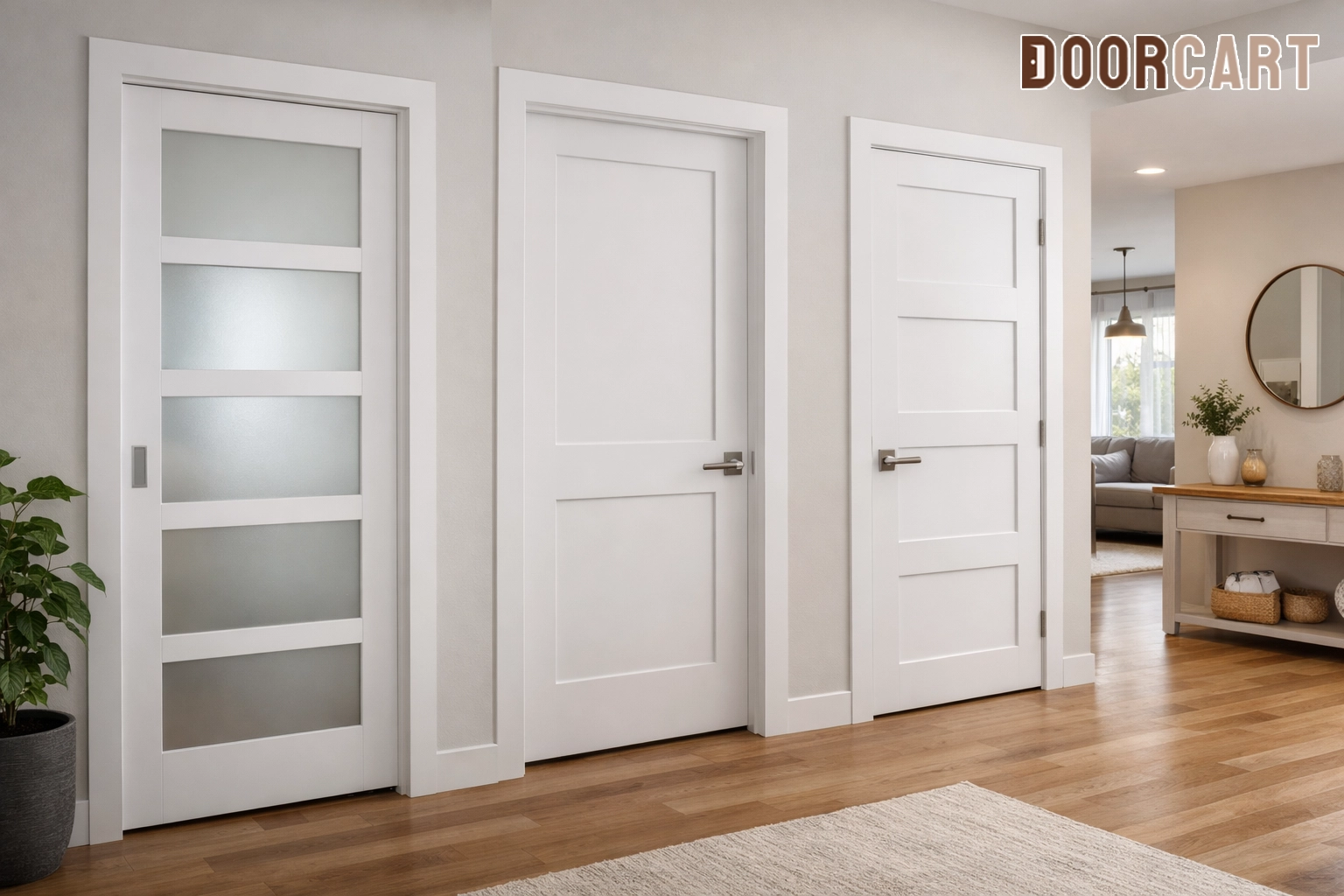
Safety is a top priority for Canadian homeowners, builders, and property managers. As building regulations continue to evolve and awareness of fire protection grows, the demand for specialized door systems has increased significantly. Among the most important products in modern residential and commercial construction are fire doors and fireproof doors. These doors play a critical role in protecting occupants, limiting property damage, and supporting compliance with Canadian building codes.
Whether you are renovating a home in Toronto, constructing a commercial facility in Calgary, or upgrading a multi-unit property in Vancouver, understanding the benefits and applications of fire-resistant doors can help you make informed decisions that enhance both safety and value.
Understanding Fire-Resistant Door Systems
A fire-resistant door is designed to slow the spread of flames, smoke, and heat during a fire emergency. Unlike standard interior doors, these specialized products are manufactured using tested materials and construction methods that help maintain the integrity of a building’s fire separation systems.
The purpose of these doors is not necessarily to stop a fire completely but to delay its progression. This additional time can be crucial for occupants to evacuate safely and for emergency responders to control the situation.
In Canada, fire-rated door assemblies are commonly used in residential, commercial, institutional, and industrial buildings.
Why Fire Protection Matters in Canada
Canada experiences thousands of residential and commercial fires every year. While modern fire detection systems and sprinkler technology have significantly improved building safety, passive fire protection remains essential.
Doors are often one of the weakest points in a fire separation barrier. Without proper protection, flames and smoke can rapidly move between rooms and floors. Fire-rated door systems help reduce this risk by maintaining compartmentalization throughout a building.
For homeowners, this means greater peace of mind. For businesses, it means enhanced protection for employees, customers, and valuable assets.
Common Applications for Fire Doors
Fire-rated products are installed in a wide variety of locations across Canada.
Residential Properties
In homes, these doors are frequently used for:
- Garage-to-house entrances
- Utility rooms
- Furnace rooms
- Basement access points
- Secondary suites
These areas often contain potential fire hazards and require additional protection.
Commercial Buildings
Commercial properties commonly install fire-rated assemblies in:
- Stairwells
- Corridors
- Mechanical rooms
- Storage areas
- Electrical rooms
Proper compartmentalization helps maintain safe evacuation routes during emergencies.
Multi-Unit Residential Buildings
Apartments, condominiums, and townhouses rely heavily on fire-rated systems to prevent fire from spreading between units.
Institutional Facilities
Schools, hospitals, and government buildings often require extensive fire protection measures due to higher occupancy levels and specific safety regulations.
What Makes a Door Fire Resistant?
Several construction elements contribute to a door’s fire performance.
Specialized Core Materials
Many fire-rated doors feature solid cores made from engineered wood, mineral composites, steel reinforcements, or other fire-resistant materials.
Reinforced Construction
Heavy-duty components improve structural integrity during high-temperature exposure.
Tested Door Assemblies
A fire-rated door is only one part of a complete assembly. Frames, hinges, seals, and hardware must also meet specific performance standards.
Smoke Control Features
Many systems include seals that expand when exposed to heat, helping block smoke migration throughout a building.
Fire Ratings Explained
Canadian construction projects may require different fire ratings depending on building type and location.
Common ratings include:
- 20 minutes
- 45 minutes
- 60 minutes
- 90 minutes
The required rating typically depends on local building codes and the intended application.
For example, an attached garage entrance may require a lower rating than a commercial stairwell enclosure.
Benefits of Installing Fire Doors
Enhanced Life Safety
The most important advantage is the protection of building occupants. By slowing the spread of fire and smoke, these doors provide valuable time for evacuation.
Reduced Property Damage
Containing a fire within one area can significantly reduce overall damage and repair costs.
Compliance with Building Regulations
Installing approved door systems helps builders and property owners meet Canadian code requirements.
Increased Property Value
Modern buyers often appreciate safety-focused upgrades that improve the long-term value of a property.
Insurance Benefits
Some insurers may view code-compliant fire protection measures favorably when assessing risk.
Understanding the Term Fireproof Doors
The phrase fireproof doors is commonly used by homeowners and contractors when searching for fire-resistant products. While no door is completely immune to fire under all conditions, the term generally refers to doors that have been tested and certified to withstand fire exposure for a specified period.
These products are engineered to maintain structural integrity during fire events and help prevent the rapid spread of flames.
In the Canadian marketplace, consumers often use the term interchangeably with fire-rated doors when researching safety solutions for residential or commercial projects.
Materials Used in Fire-Rated Door Manufacturing
Manufacturers offer several material options to suit different applications and design preferences.
Steel
Steel remains one of the most common choices for commercial and industrial settings. It provides exceptional durability and strong fire resistance.
Wood
Wood fire-rated doors are popular in residential and hospitality environments because they combine safety with an attractive appearance.
Composite Materials
Engineered composite cores deliver excellent fire performance while supporting modern design trends.
Glass Fire-Rated Systems
Advancements in glazing technology now allow certain fire-rated assemblies to include specialized fire-resistant glass while maintaining safety standards.
Design Trends in Canada
Today’s property owners expect more than just safety. They also want products that complement contemporary interior design.
Popular trends include:
Shaker Profiles
Clean, minimalist shaker designs remain highly sought after in Canadian homes.
Smooth Finishes
Modern interiors often feature sleek, smooth door surfaces.
Neutral Colour Palettes
White, black, and soft grey finishes continue to dominate residential design.
Decorative Hardware
Premium handles, hinges, and locks enhance both functionality and aesthetics.
Integrated Safety Features
Consumers increasingly prefer products that combine modern appearance with proven fire protection capabilities.
Choosing the Right Fire-Rated Door
Before purchasing a fire-rated product, consider the following factors:
Building Type
Residential, commercial, and institutional buildings may have different code requirements.
Door Location
The required rating often depends on where the door will be installed.
Appearance
Select a style that complements the surrounding architecture and interior design.
Hardware Compatibility
Ensure that locks, hinges, closers, and other accessories are approved for use with the chosen assembly.
Professional Installation
Proper installation is critical for maintaining the certified performance of the door system.
Maintenance and Inspection
Regular maintenance helps ensure continued performance.
Recommended practices include:
- Checking hinges and hardware
- Inspecting seals and gaskets
- Verifying proper door closure
- Repairing damage promptly
- Scheduling routine inspections when required
A well-maintained fire-rated assembly can provide reliable protection for many years.
The Future of Fire Protection in Canada
As building technology continues to advance, manufacturers are developing products that offer improved performance, enhanced aesthetics, and greater sustainability.
Future innovations may include:
- Smarter fire detection integration
- Improved smoke control technology
- Environmentally friendly materials
- Enhanced thermal performance
- More customizable design options
These advancements will continue to support safer and more efficient Canadian buildings.
Conclusion
Fire safety remains one of the most important considerations in modern construction and renovation projects. High-quality fire doors help protect lives, reduce property damage, and support compliance with Canadian building standards. At the same time, modern fireproof doors provide homeowners and businesses with attractive, durable, and effective fire-resistant solutions that meet the demands of today’s market.
Whether you are upgrading a residential property, managing a commercial facility, or planning a new construction project, investing in professionally installed fire-rated door systems is a smart decision that delivers long-term value, safety, and peace of mind.

doorcart
DoorCart is a modern, innovative brand offering stylish and functional door-mounted carts, designed to maximize space and convenience in your home. Perfect for organizing essentials, DoorCart combines smart design with practicality, making everyday life easier and more efficient.
