
What Is Car Detailing?
Car detailing is a more thorough form of vehicle cleaning and surface care than a basic car wash.
Instead of simply removing visible dirt, detailing focuses on cleaning, restoring, and maintaining individual surfaces throughout the vehicle.
Depending on the vehicle’s condition, detailing may include:
- Deep interior cleaning
- Carpet and upholstery treatment
- Leather or synthetic-leather care
- Exterior washing and decontamination
- Wheel and tire cleaning
- Paint polishing
- Stain removal
- Odor treatment
- Protective treatments
The exact process should always be adjusted to the vehicle rather than treating every car identically.
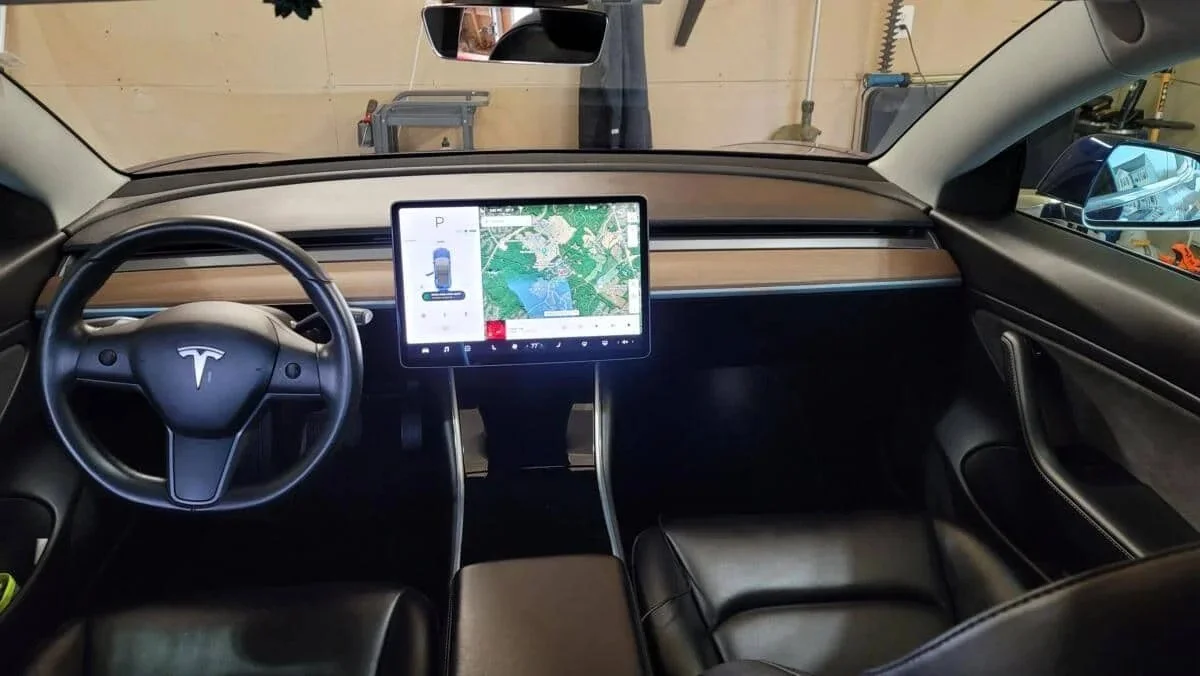
What Is Interior Car Detailing?
Interior detailing focuses on everything inside the passenger compartment and, in many cases, the cargo area as well.
The objective is to remove accumulated dirt, dust, stains, hair, residue, and odors while preserving the materials.
Interior surfaces can include:
- Fabric upholstery
- Leather
- Synthetic leather
- Carpeting
- Plastic
- Vinyl
- Rubber
- Glass
- Interior trim
Each material has different characteristics, so using one cleaner everywhere isn’t necessarily a good idea.
What Happens During Interior Detailing?
A thorough interior detail typically begins with removing personal belongings and loose debris.
The vehicle is then inspected to identify problem areas.
Vacuuming comes next, including difficult locations such as seat rails, carpet edges, under-seat areas, door pockets, and gaps around the center console.
After that, individual surfaces can be cleaned according to their material.
Upholstery and Carpets
Fabric seats and carpeting can hold dust, food particles, spills, and other contamination.
Depending on the condition, cleaning may involve specialized upholstery products, controlled agitation, extraction, or other appropriate techniques.
The goal isn’t to saturate the material. Excess moisture can create its own problems if it isn’t properly managed.
Leather and Synthetic Surfaces
Leather and synthetic materials require careful cleaning because aggressive products can affect the finish.
Detailers generally work with controlled amounts of product and use appropriate tools to remove accumulated grime from seats, panels, and seams.
The result should be a clean surface that doesn’t feel excessively greasy.
Dashboard, Trim, and Controls
Dashboards and interior trim collect dust and fingerprints.
High-contact areas such as steering wheels, door handles, armrests, switches, and center consoles can accumulate oils from hands even when they don’t look especially dirty.
These areas deserve particular attention during a professional detail.
What Is Exterior Car Detailing?
Exterior detailing focuses on the vehicle’s outside surfaces.
This includes the painted body panels, glass, wheels, tires, trim, and other exterior components.
The objective is not simply to make the car shiny. Proper exterior detailing involves safely removing contamination while minimizing the possibility of adding new scratches or swirl marks.
What Happens During Exterior Detailing?
Exterior detailing usually starts with a careful wash.
Loose contamination is removed before more direct contact with painted surfaces.
Depending on the vehicle, the process may include:
- Wheel cleaning
- Tire cleaning
- Safe hand washing
- Paint decontamination
- Bug and tar removal
- Glass cleaning
- Trim cleaning
- Paint polishing
- Protective application
The vehicle’s condition determines how far the process needs to go.
Paint Decontamination
Paint can feel rough even after a normal wash.
That’s because some contaminants bond to the surface rather than simply sitting on top of it.
A proper decontamination process can help remove contamination that washing alone doesn’t eliminate.
The surface should then be inspected before deciding whether polishing or correction is necessary.
Paint Correction
Paint correction is a more specialized exterior process.
It involves machine polishing designed to reduce suitable imperfections such as swirl marks, oxidation, haze, and certain light scratches.
Not every vehicle needs correction.
One common mistake is assuming that more polishing automatically means a better result. In reality, preserving healthy paint should always be part of the decision.
Interior vs. Exterior: The Main Difference
The simplest distinction is this:
Interior detailing protects and restores the cabin, while exterior detailing focuses on the vehicle’s outside surfaces and paint.
But the difference goes deeper.
Interior detailing deals with materials that people touch and occupy every day. Comfort, cleanliness, stains, dust, hair, and odors are major considerations.
Exterior detailing deals more with environmental contamination and surface appearance. Road grime, mineral deposits, insects, oxidation, and paint defects are common concerns.
The techniques are therefore quite different.
Which One Should You Choose?
It depends on what your vehicle needs.
If the exterior looks good but the cabin has stains, odors, or heavy buildup, interior detailing may be the priority.
If the interior is already well maintained but the paint has water spots, road film, or swirl marks, exterior detailing may provide more noticeable improvement.
For neglected vehicles, doing both can make sense because the interior and exterior experience completely different types of wear.
An Insider Tip: Look at the Vehicle Under Good Lighting
When evaluating exterior condition, don’t rely solely on how the vehicle looks in a shaded parking lot.
Inspect the paint in good natural light.
Swirl marks, haze, water spots, and scratches can become much easier to identify.
This helps determine whether you need a simple detail, decontamination, or a more involved paint correction process.
Another Insider Tip: Pay Attention to Smell
Interior condition isn’t always visible.
A vehicle can look relatively clean while still having an unpleasant odor caused by spilled drinks, food, moisture, pets, or smoke residue.
If a smell returns shortly after using an air freshener, masking the odor probably isn’t solving the underlying issue.
The source should be identified and cleaned appropriately.
How Often Should You Detail the Interior?
There is no universal schedule.
A family vehicle with children and pets may need interior attention more often than a vehicle driven occasionally.
Daily commuters may also accumulate dirt quickly.
Regular maintenance helps extend the time between deeper details.
Simple habits include:
- Removing trash frequently
- Vacuuming high-traffic areas
- Cleaning spills quickly
- Shaking out floor mats
- Avoiding unnecessary clutter
- Checking underneath seats periodically
These small steps prevent contamination from becoming deeply embedded.
How Often Should You Detail the Exterior?
Exterior detailing frequency depends on driving conditions and how the vehicle is maintained.
Outdoor parking, highway driving, construction areas, tree sap, bird droppings, and seasonal weather can all increase contamination.
Routine washing should remain part of the maintenance plan.
Professional detailing can then address deeper cleaning and paint-care needs that routine washing doesn’t cover.
Why Both Types of Detailing Matter
Interior and exterior detailing serve different purposes, but they complement each other.
A clean interior improves comfort and preserves cabin materials.
A properly maintained exterior helps preserve the appearance and condition of the vehicle’s finish.
For anyone researching richmond auto detailing, understanding these differences can make it easier to choose the right combination of services rather than automatically selecting the most extensive option.
Final Thoughts
Interior and exterior detailing aren’t interchangeable services.
Interior detailing focuses on the materials, cleanliness, comfort, and condition of the cabin. Exterior detailing focuses on safely cleaning and maintaining the vehicle’s outside surfaces, including the paint, wheels, glass, and trim.
The right approach depends on the vehicle’s condition and how it is used.
Sometimes the interior needs the most attention. Sometimes the paint does. And sometimes the best solution is a balanced approach that addresses both.
Also read for more information so click here.
-
Tags:

