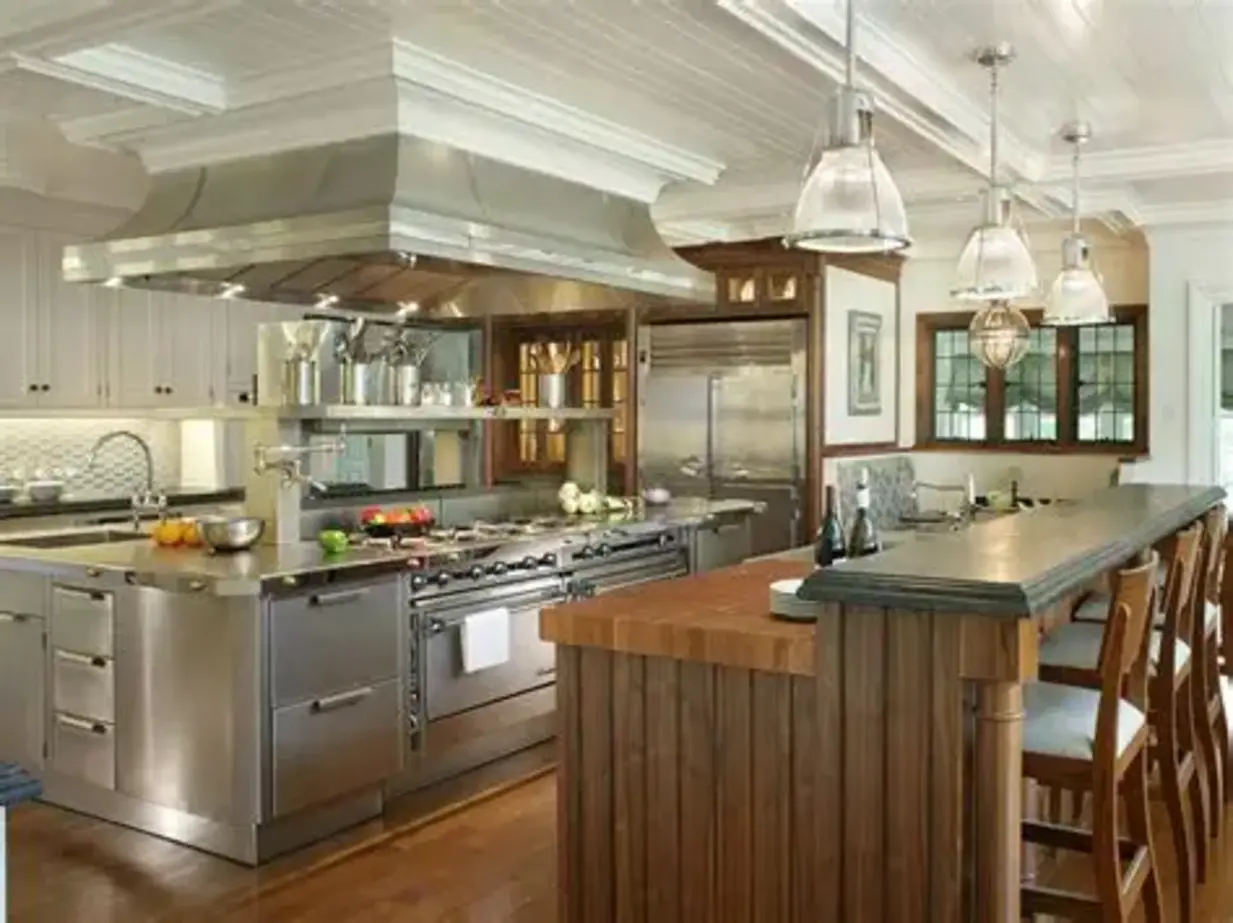
A well-designed kitchen does more than look beautiful—it makes cooking faster, easier, and more enjoyable. Professional chefs spend countless hours in commercial kitchens, where every detail is planned for efficiency, safety, and performance. Fortunately, you don’t need a restaurant-sized space to enjoy the same benefits at home. By incorporating a few chef-approved design principles, you can transform your kitchen into a highly functional workspace that supports everything from quick weeknight meals to elaborate dinner parties.
Whether you’re planning a complete kitchen remodel or simply looking for ways to improve your current layout, these six expert-backed design tips will help you create a professional-quality home kitchen.
1. Prioritize an Efficient Kitchen Work Triangle
One of the most important principles in kitchen design is the work triangle. This concept connects the three primary workstations:
- Refrigerator
- Sink
- Cooktop or range
The goal is to minimize unnecessary walking while allowing enough space to move comfortably. Professional kitchens often organize equipment so chefs can move naturally between food storage, preparation, and cooking.
When designing your kitchen:
- Keep pathways clear of obstacles.
- Avoid placing large islands that interrupt movement.
- Ensure each workstation has enough surrounding countertop space.
If your kitchen is large, consider adding a secondary prep sink or dedicated prep station to reduce traffic when multiple people are cooking.
2. Invest in Durable, Easy-to-Clean Materials
Professional kitchens rely on materials that can withstand heavy daily use. Choosing similar materials for your home kitchen improves longevity while making maintenance much easier.
Popular chef-approved materials include:
Quartz Countertops
Quartz is non-porous, resistant to stains, and requires very little maintenance. It provides a clean, modern appearance while standing up to years of food preparation.
Stainless Steel
Commercial kitchens widely use stainless steel because it resists heat, moisture, and bacteria. Stainless steel backsplashes, sinks, and appliances create a professional look while remaining easy to sanitize.
High-Quality Cabinet Finishes
Choose cabinets with durable finishes that resist scratches, grease, and moisture. Soft-close hinges and full-extension drawers also improve everyday usability.
Selecting premium materials may increase upfront costs, but they often save money over time through reduced repairs and maintenance.
3. Maximize Counter Space for Food Preparation
Ask any chef about their favorite kitchen feature, and generous countertop space is almost always near the top of the list.
Food preparation requires room for:
- Chopping vegetables
- Mixing ingredients
- Rolling dough
- Organizing cooking tools
- Plating finished dishes
Whenever possible, create uninterrupted stretches of countertop adjacent to both the sink and cooktop.
Kitchen islands are especially valuable because they provide:
- Additional prep space
- Casual dining
- Storage underneath
- Space for multiple cooks
If your kitchen is smaller, consider installing pull-out cutting boards or fold-down countertops that can expand your workspace when needed.
4. Design Smart Storage That Keeps Everything Within Reach
Professional chefs waste very little time searching for equipment. Every tool has a designated place, allowing for smooth and efficient cooking.
Apply the same philosophy to your home kitchen by organizing storage according to how you work.
Helpful storage ideas include:
Deep Drawers
Store pots, pans, and mixing bowls in deep drawers rather than lower cabinets for easier access.
Pull-Out Pantry Shelves
Sliding shelves allow you to see everything without digging through crowded cabinets.
Vertical Storage
Install dividers for baking sheets, cutting boards, and serving trays to maximize cabinet space.
Drawer Organizers
Separate utensils, measuring tools, knives, and cooking gadgets to reduce clutter.
Frequently used items should remain within arm’s reach, while seasonal appliances can be stored in less accessible cabinets.
5. Install Layered Lighting for Every Cooking Task
Lighting significantly impacts both safety and cooking performance. Many home kitchens rely solely on ceiling fixtures, creating shadows over preparation areas.
Professional kitchens use multiple lighting sources to illuminate every workstation.
A balanced lighting plan should include:
Ambient Lighting
General ceiling lights provide overall room illumination.
Task Lighting
Install under-cabinet LED lighting above countertops to improve visibility during chopping, slicing, and food preparation.
Accent Lighting
Pendant lights over kitchen islands or dining areas add style while enhancing functionality.
Natural Light
Whenever possible, maximize windows or skylights to create a brighter, more inviting cooking environment.
Modern LED lighting also consumes less energy while lasting significantly longer than traditional bulbs.
6. Choose Professional-Quality Appliances That Match Your Cooking Style
Commercial kitchens feature specialized equipment, but homeowners don’t necessarily need restaurant-grade appliances. Instead, invest in high-quality appliances that suit your cooking habits.
Consider upgrading to:
High-Performance Range
Whether gas, electric, or induction, choose a cooktop that offers precise temperature control and enough burners for your cooking needs.
Powerful Ventilation Hood
A quality range hood removes smoke, grease, heat, and cooking odors, improving indoor air quality and protecting cabinets from grease buildup.
Spacious Refrigerator
Look for flexible shelving, temperature-controlled compartments, and energy-efficient performance.
Quiet Dishwasher
Modern dishwashers combine excellent cleaning power with low operating noise, making them ideal for open-concept homes.
Rather than purchasing every premium appliance available, prioritize the ones you use most frequently.
Bonus Tip: Keep the Kitchen Organized Like a Professional
Professional kitchens follow the principle of “mise en place,” a French term meaning “everything in its place.”
This philosophy encourages cooks to:
- Prepare ingredients before cooking.
- Keep workstations clean.
- Return tools after each use.
- Minimize unnecessary clutter.
Maintaining an organized kitchen improves efficiency, reduces stress, and creates a more enjoyable cooking experience.
Simple habits such as wiping countertops immediately, storing ingredients properly, and cleaning as you cook can dramatically improve your workflow.
Final Thoughts
Creating a professional-quality home kitchen isn’t about copying a restaurant exactly—it’s about applying the same principles of efficiency, durability, and thoughtful organization. By optimizing your kitchen layout, selecting long-lasting materials, maximizing workspace, improving storage, installing layered lighting, and choosing appliances that match your cooking style, you can build a kitchen that performs as beautifully as it looks.
Whether you’re an experienced home chef or someone who simply enjoys preparing meals for family and friends, these six chef-approved kitchen design tips will help transform your space into a functional, comfortable, and inspiring place to cook every day. A well-designed kitchen not only enhances meal preparation but also adds long-term value to your home, making it one of the smartest investments you can make.
Article post by: pvc board sidoarjo – gstarboard